
Sound Panels
Acoustic Treatment
Our versatile acoustic panels are suitable for various applications, from home offices to large venues, providing effective sound management solutions that enhance communication and focus in any setting.
Understanding Acoustic Sound Panels
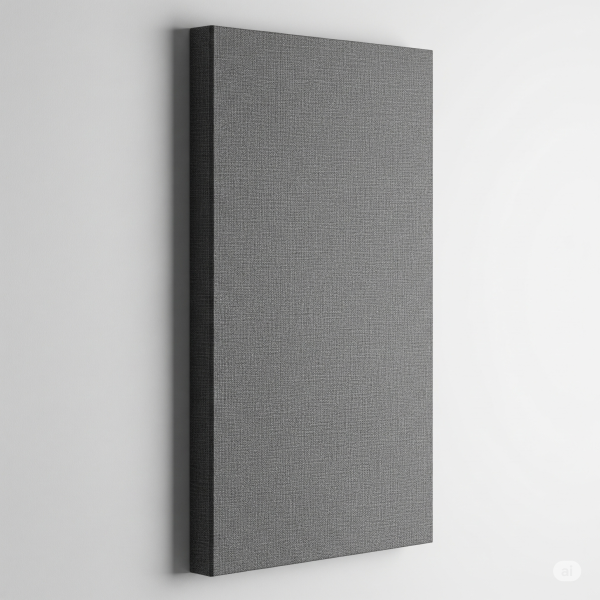
Acoustic sound panels play a crucial role in enhancing the acoustics of any room by reducing echoes and absorbing sound. Whether you’re setting up a home studio, a cozy reading corner, or a conference room, the right amount of sound panels is essential for optimal sound quality.
Determining the Number of Panels for Your Room Size
The first step in choosing acoustic sound panels is to measure your room dimensions. A simple rule of thumb is to cover about 15% to 30% of your wall space with sound panels. For instance, if you have a room that is 200 square feet, aim for approximately 30 to 60 square feet of paneling. This guide will help you strike the right balance between aesthetic appeal and acoustic effectiveness.
Selecting the Right Colors
Color selection for your acoustic panels can greatly influence the mood of the room. Soft, neutral colors like beige and gray can create a calming atmosphere, while vibrant colors like red or blue can inject energy into the space. When you’re choosing colors, consider the existing decor and how the panels will blend in or stand out. Remember, a harmonious color palette can enhance the overall aesthetic while also serving a functional purpose.
Using these tips, you can easily determine how many acoustic sound panels you need for your room size and select colors that resonate with your personal style. Enjoy the benefits of improved sound and an attractive environment!
Frequently Asked Questions
How do I calculate the number of sound panels for my room?
Start by measuring the total wall area of your room. Then estimate covering 15–30% of that space with panels. Larger rooms or rooms with hard surfaces may benefit from additional treatment.
What size room benefits most from acoustic panels?
Acoustic panels can improve sound in rooms of any size—from small home offices and podcast rooms to large commercial venues, studios, and meeting spaces.
Do acoustic wall panels reduce echo?
Yes. Acoustic wall panels are specifically designed to reduce echo and reverberation by absorbing reflected sound waves, improving clarity and reducing harsh noise buildup.
What is the difference between acoustic panels and bass traps?
Acoustic panels absorb mid- and high-frequency sound reflections on walls or ceilings, while bass traps are used to absorb low-frequency sound buildup, typically in corners.
Where should acoustic panels be placed?
Acoustic panels are commonly placed on walls at reflection points, behind speakers, on ceilings, or on large reflective surfaces. Placement depends on your room layout and sound goals.
Where should corner bass traps be installed?
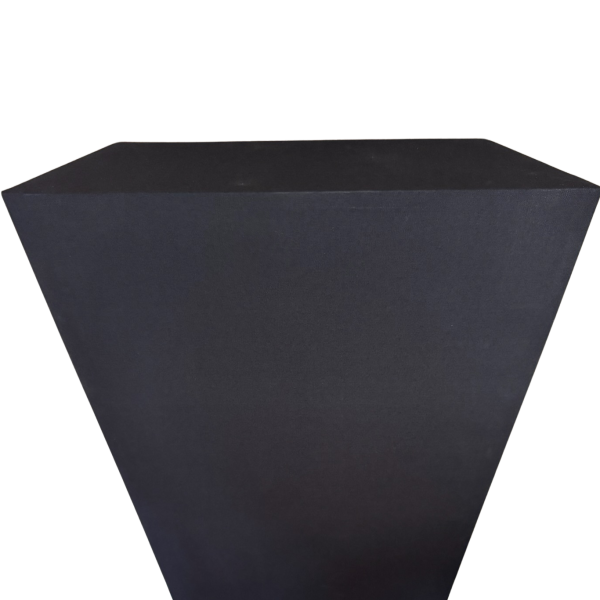
Corner bass traps are best installed in vertical room corners where low frequencies naturally build up. This placement helps reduce bass resonance and improves sound balance.
Are ceiling acoustic panels effective?
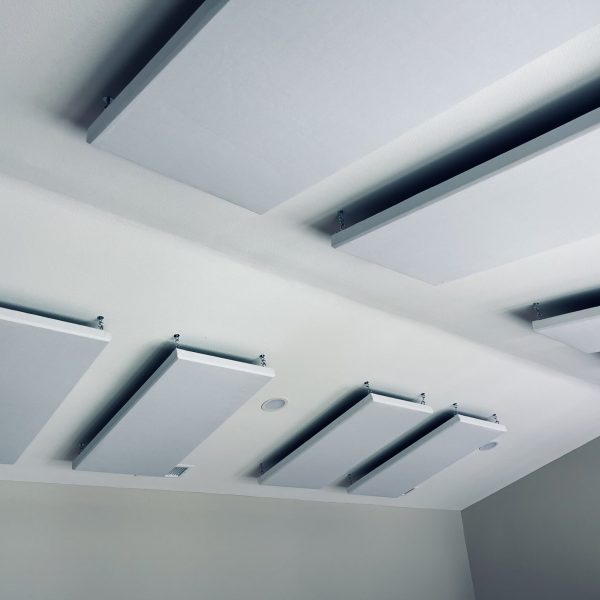
Yes. Ceiling panels help absorb overhead reflections and are especially useful in offices, conference rooms, studios, and larger spaces where sound bounces between hard surfaces.
What color acoustic panels should I choose?
Choose colors based on your room’s design and style. Neutral tones like gray, beige, and black blend well into most interiors, while bold colors can create a visual statement.