The Ultimate Guide to Office Ceiling Panels: Options, Benefits & Best Practices
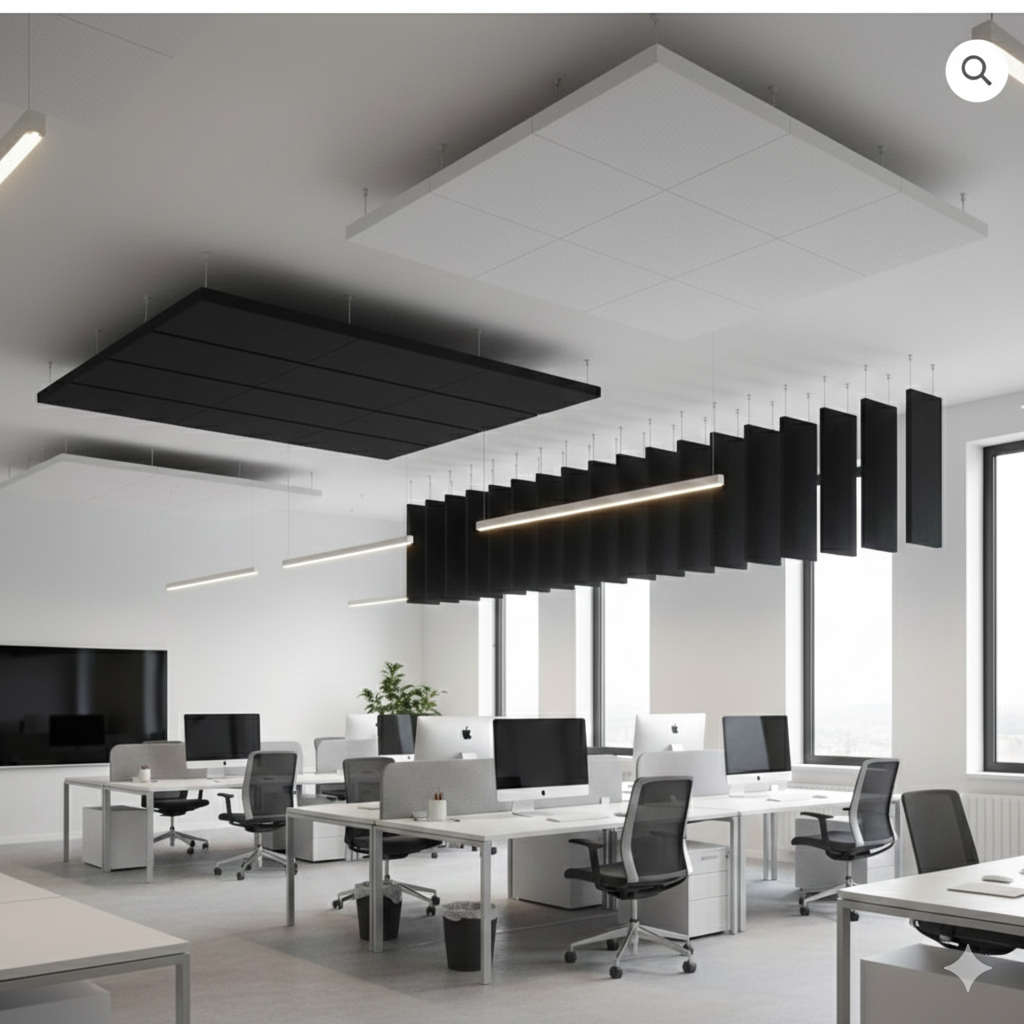
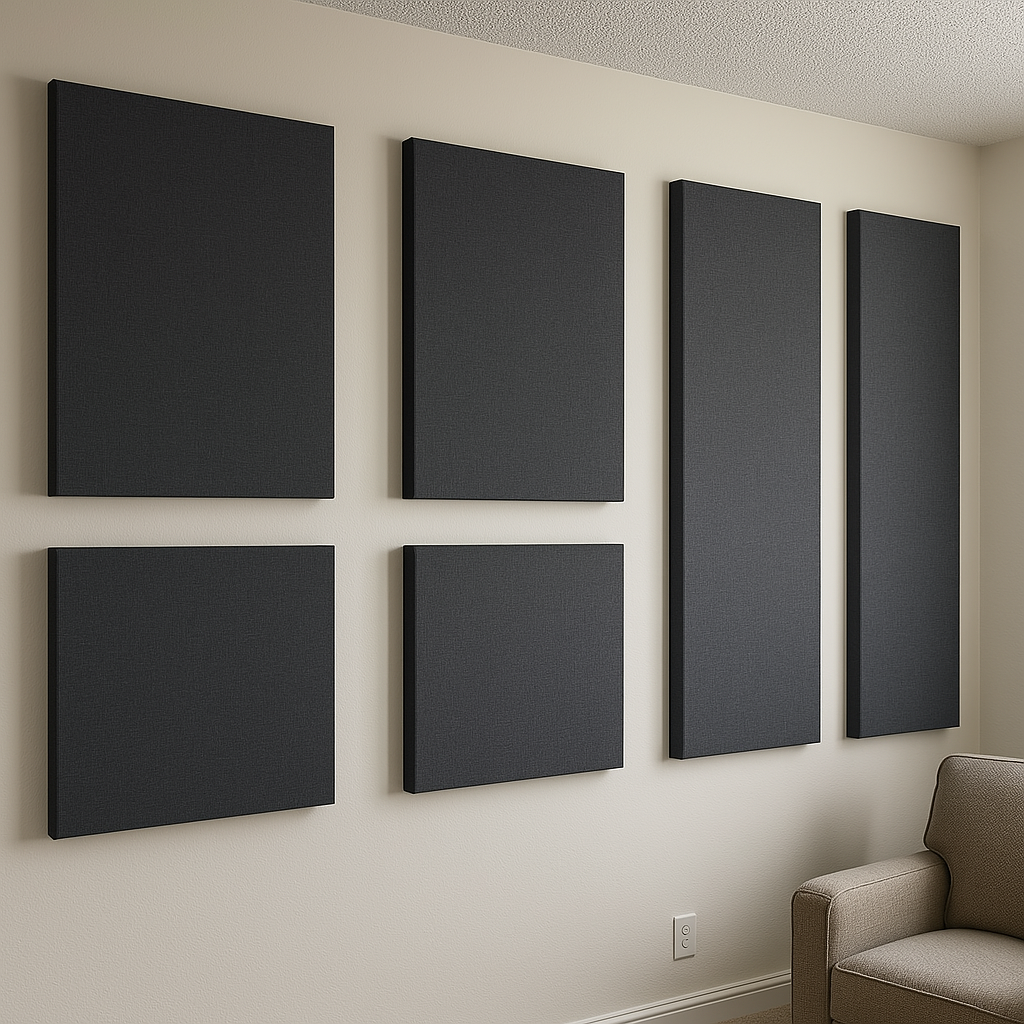
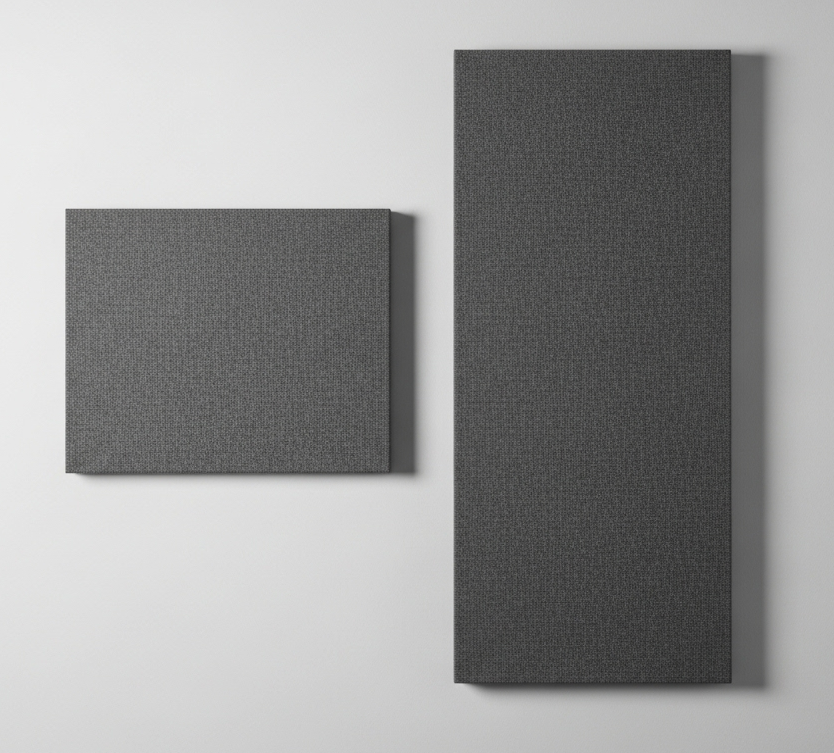
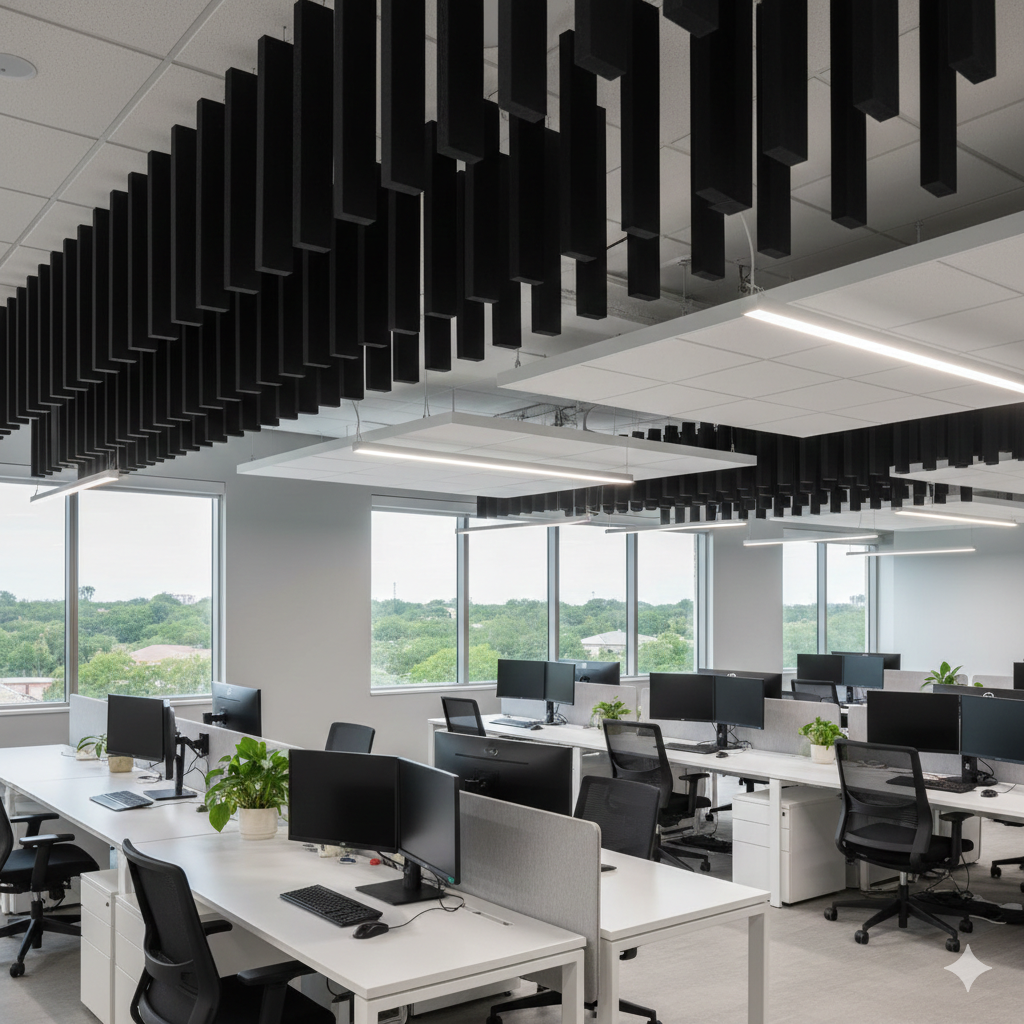
A well-designed office isn’t just about furniture and lighting—the office ceiling plays a major role in productivity, comfort, and overall workplace experience. If your office feels noisy, distracting, or visually outdated, upgrading your office ceiling panels can make an immediate and noticeable difference. At SoundHaven Acoustics, we help offices across Austin, TX create balanced, professional environments using expertly designed acoustic solutions. This guide explains the best office ceiling tiles and panels, their benefits, and how to choose the right option for your workspace. Why Office Ceiling Panels Matter Modern offices—especially open-plan layouts—often struggle with echo, poor speech clarity, and constant background noise. Hard ceiling surfaces allow sound to bounce freely, making meetings harder to follow and reducing focus. Installing the right office ceiling panels helps restore balance by controlling sound while enhancing the overall look of your space. Benefits of Office Ceiling Panels Improved Acoustic Control Sound-absorbing ceiling solutions reduce echo, minimize distractions, and improve speech intelligibility—especially in conference rooms, collaborative areas, and open offices. A Cleaner, More Professional Look Ceiling panels instantly elevate the appearance of an office ceiling, creating a polished and modern workspace that leaves a strong impression on clients and visitors. Better Lighting Efficiency Many office ceiling tiles are designed to reflect light evenly, helping brighten the space and reduce reliance on excessive artificial lighting. Durability & Safety Certain ceiling materials offer added resistance to moisture, fire, and sagging—making them ideal for long-term office use. Easy Maintenance Modern office ceiling systems are lightweight and designed for straightforward installation, access, and upkeep. Types of Office Ceiling Panels 1. Suspended Office Ceiling Tiles Suspended or drop ceilings remain one of the most popular solutions for office environments. These office ceiling tiles fit into a grid system, allowing easy access to wiring, HVAC systems, and lighting while improving sound control. Best for: 2. Acoustic Ceiling Panels for Offices Designed specifically for sound absorption, office ceiling panels reduce reverberation and improve clarity in busy workspaces. These panels are ideal for offices where communication and concentration are critical. Best for: 3. Open Ceiling Acoustic Solutions Many modern offices feature exposed ceilings for an industrial look. While stylish, these layouts often amplify noise. Suspended acoustic elements provide sound control without closing off the ceiling. Best for: 4. Flat Acoustic Ceiling Panels Flat panels are mounted directly to the ceiling surface and provide excellent sound absorption while maintaining a sleek, minimal appearance. Best for: 5. Ceiling Baffles Ceiling baffles hang vertically from the ceiling and absorb sound on both sides. They’re especially effective in offices with high ceilings where traditional tiles may not be practical. Best for: Choosing the Right Office Ceiling Solution Selecting the right office ceiling treatment depends on several factors: If speech clarity is a priority, sound-absorbing acoustic panels are ideal. For traditional office ceilings, suspended tiles provide a clean and efficient solution. In modern, open offices, baffles and flat panels offer excellent performance without compromising aesthetics. Even commonly searched variations like office ceiling or office cealing point to the same goal—better sound and a more comfortable workplace. Why Offices Choose SoundHaven Acoustics At SoundHaven Acoustics, we specialize in customized acoustic solutions that align with your office’s design and performance needs. Expertise You Can Trust Our team understands how sound behaves in professional environments and places panels strategically for maximum impact. High-Quality Materials All of our office acoustic panels are built for durability, long-term performance, and consistent sound absorption. Custom Design Options From subtle, modern finishes to bold design statements, we offer a wide range of colors, fabrics, and configurations. Professional Installation We handle everything—from design guidance to seamless wall and ceiling installation—ensuring a clean, professional finish. Affordable Acoustic Solutions We believe improving office acoustics shouldn’t come at an unreasonable cost. Our solutions balance performance, design, and value. Upgrade Your Office Ceiling with Confidence A well-treated office ceiling improves communication, reduces stress, and creates an environment where teams can truly thrive. Whether you’re renovating a traditional office or optimizing a modern open-plan workspace, the right ceiling panels make all the difference. If you’re in Austin, TX or the surrounding metro area, SoundHaven Acoustics is ready to help you transform your office.📞 Call: (512) 818-4739📧 Email: info@soundhavenacoustics.com
The Ultimate Guide to Office Ceiling Panels: Options, Benefits & Best Practices Read More »