How Do Acoustic Panels Work?
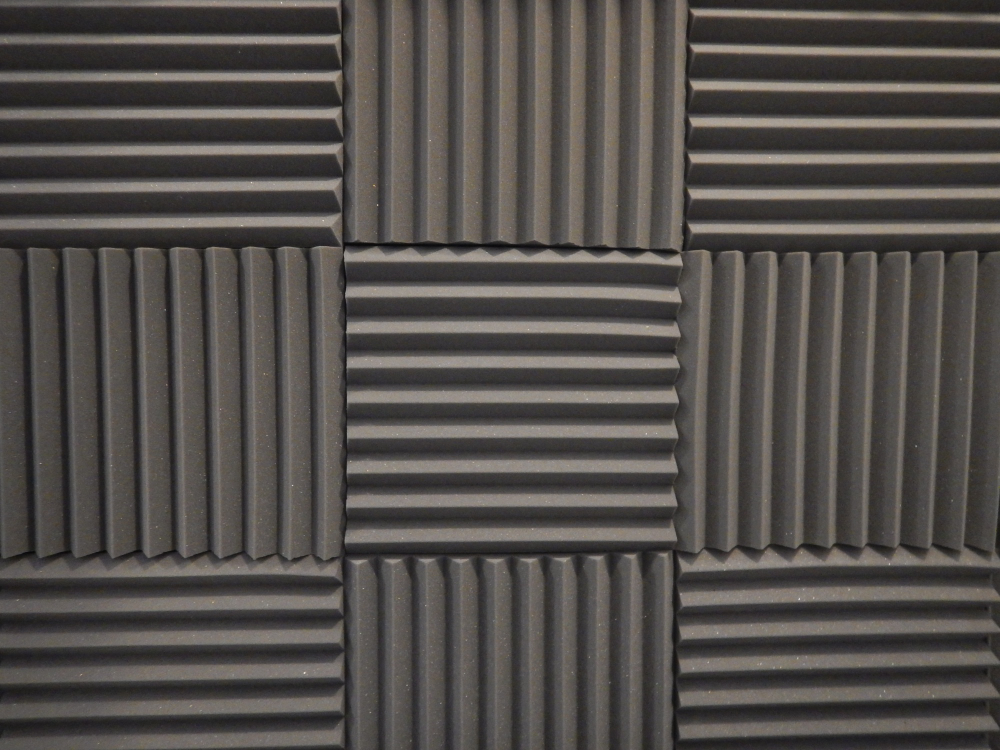
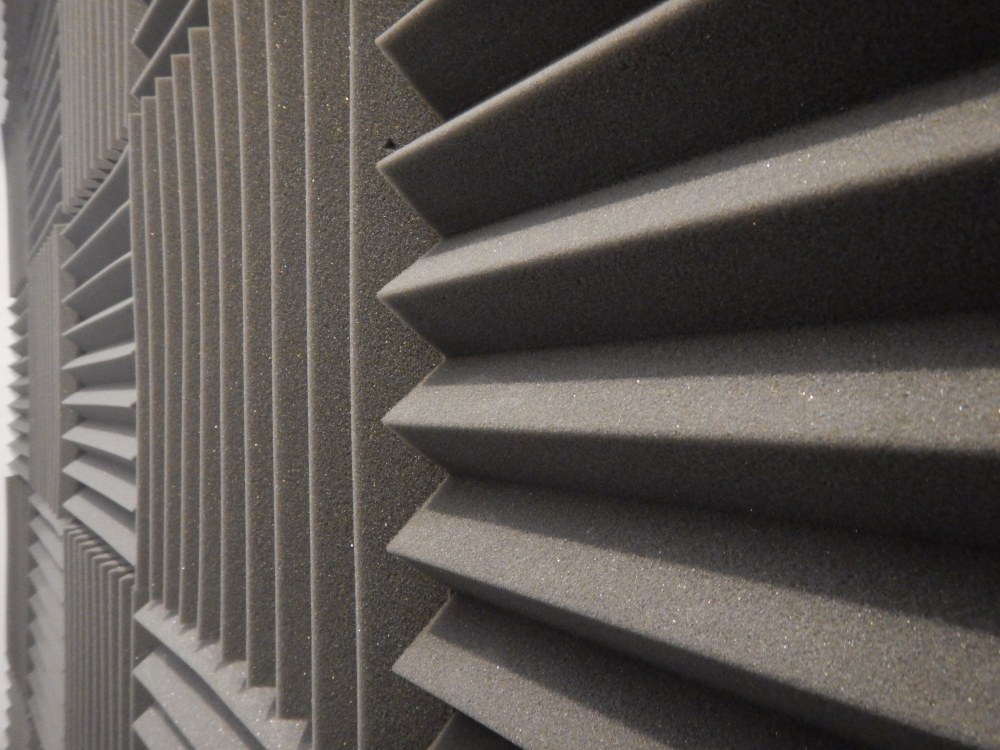
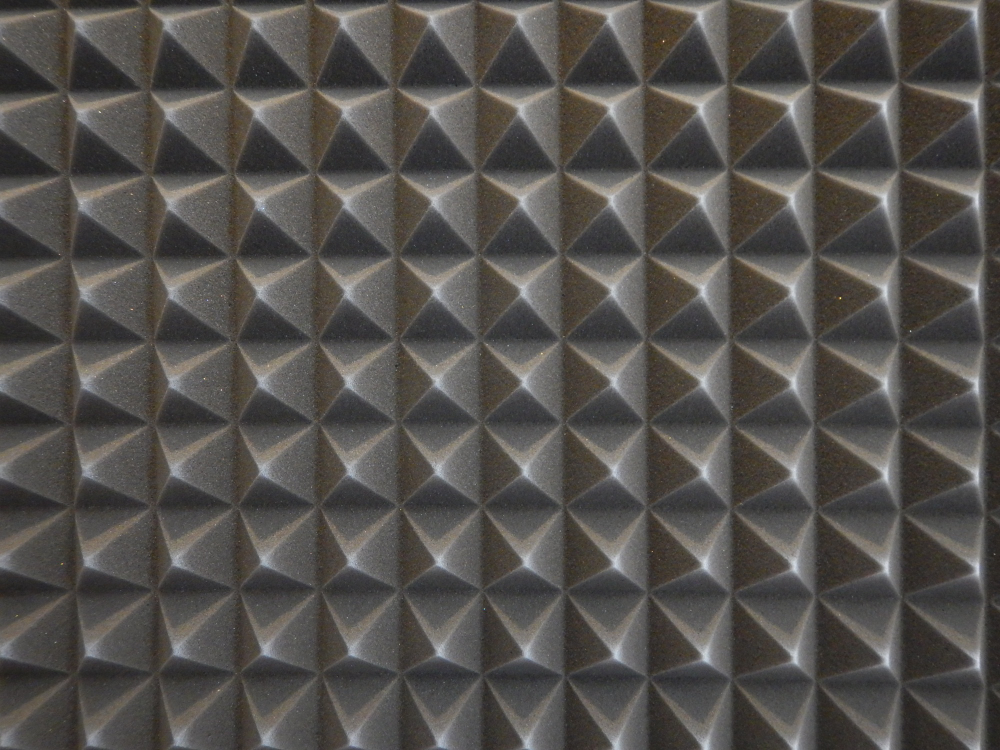
We experience sound every day. When we’re in a café or in a bustling office or at home relaxing, or even recording music, how sound is positioned in a room can affect the quality of our experience, comfort and overall experience. However, the majority of rooms aren’t built to be able to manage the sound. The hard surfaces like windows, walls, ceilings and floors cause reflections and echoes which make rooms feel loud and hollow or uncomfortable. That’s exactly the place where Acoustic panels are a good choice. In SoundHaven Acoustics, we assist businesses and homes located in Austin, TX, improve their sound quality by providing premium sound solutions. If you’ve ever thought about what acoustic panels do and how they operate and how they work, this comprehensive guide will provide all the information you need to know, without technical jargon. What Are Acoustic Panels? Before discussing the way they function, it’s essential to understand the basics of what they are. Acoustic panels are sound-absorbing constructions designed to block noise, lessen echo, and enhance the quality of sound in a room. They come in many styles, shapes and materials. Foam fabric, wood and fibreglass are the most popular. Many assume that the panels block sound; however, their primary function is to take in sound but not prevent it from leaving or entering the room. How Do Acoustic Panels Actually Work? The principle that drives Acoustic panels is rooted in the physics of sound; however, the concept is rather easy to grasp once you know the concept. Sound waves travel through the atmosphere and then bounce off the surfaces. The bounce creates echoes and reverberation. Acoustic panels suffocate the sound waves and prevent reflections back into the space. This is a step-by-step explanation of the way they function: 1. Sound Waves Hit the Panel Surface If someone speaks or plays music, or any other sound is heard in the room, sound waves propagate outward. When they reach the surface of the panel — which is typically porous or wrapped in fabric– the material begins taking in the sound rather than reflecting the sound. 2. The Material Converts Sound Energy Into Heat This may sound like science; however, it’s actually quite easy. In the panel are small air pockets that are small. If sound is absorbed by these pockets and the energy from the soundwave is converted to tiny amounts of heat. This process decreases the power of the sound and also stops it from returning to the space. The heat is minimal, and you will not feel any difference, but this is the fundamental mechanism behind the way Acoustic panels function. 3. The Panel Reduces Echo and Reverb Since sound waves are absorbed instead of reflecting, the room gets cleaner, quieter, and more even. Echo disappears, speech becomes clearer, and the room is more relaxed. This is the reason you can notice a huge improvement in sound quality when the acoustic panels are set up. 4. They Improve Overall Sound Quality If reflections are reduced, what you hear becomes more precise. It doesn’t matter if it’s a conversation at a table or a dialogue from a film or even a music note, Acoustic panels provide clarity and focus to the sound. This is particularly important because: Sound gets smoother, more controlled and enjoyable. Types of Acoustic Panels and How Each One Works Acoustic panels are not created in exactly the same way. Different materials absorb the sound at different frequencies. 1. Foam Acoustic Panels They are affordable and ideal to use for simple echo reduction. They function by encapsulating sound waves within their open-cell foam structures. Ideal for: 2. Fabric-Wrapped Acoustic Panels These are premium panels that are commonly employed in commercial areas as well as homes. They make use of mineral or fibreglass wool and are backed with a fabric. They are able to absorb sound throughout a wide frequency range. The best for: 3. Wooden Acoustic Panels These panels are stylish and have practicality. They aren’t as able to absorb sound as fabric panels; however, they can diffuse sound waves, which helps create an acoustic space that is balanced. 4. Bass Traps In corners, they are able to absorb bass and low frequencies (bass) that tend to accumulate within tight spaces. The best for: Where Should Acoustic Panels Be Placed for Best Results? The efficiency of panels for acoustics is dependent on their proper positioning. Here are the most effective locations: First reflection points These are the places that sound bounces the most, which are usually the walls that are behind or next to you. Contrasting hard surfaces Large, flat walls cause echo; panels diminish this. Corners Bass is more prevalent in corners, and bass traps need to be put in the corners. Ceilings Restaurants, office spaces, and conference rooms typically benefit from overhead audio panels. In SoundHaven Acoustics, we help our clients in Austin to find the ideal balance between aesthetics and functionality positioning. Acoustic Panels vs Soundproofing: What’s the Difference? One of the biggest myths is that acoustic panelling can block out outside noise. However, in reality: Acoustic Panels = Increase the sound quality inside the room Soundproofing = Block the passage of sound If your objective is to decrease the echo in your home, then an acoustic panel can be ideal.If your intention is to block street noise, soundproofing is required. Why Acoustic Panels Matter for Modern Spaces With floor plans that are open as well as high ceilings and minimalist designs that are becoming increasingly fashionable, modern spaces are not soundproofed to the best of their capacity. Hard surfaces look stylish but create noise problems. Acoustic panels help: This is crucial for companies in Austin, where productivity and customer satisfaction are the highest goals. Conclusion Knowing the way acoustic panels function can help you understand the value they add to any room. Through absorbing sound waves as well as reducing echo and enhancing clarity, the panels create spaces which feel calmer more clearer, more
How Do Acoustic Panels Work? Read More »