brett

Bass Trap Design Guide: Panel vs Triangle vs Soffit Bass Traps Explained

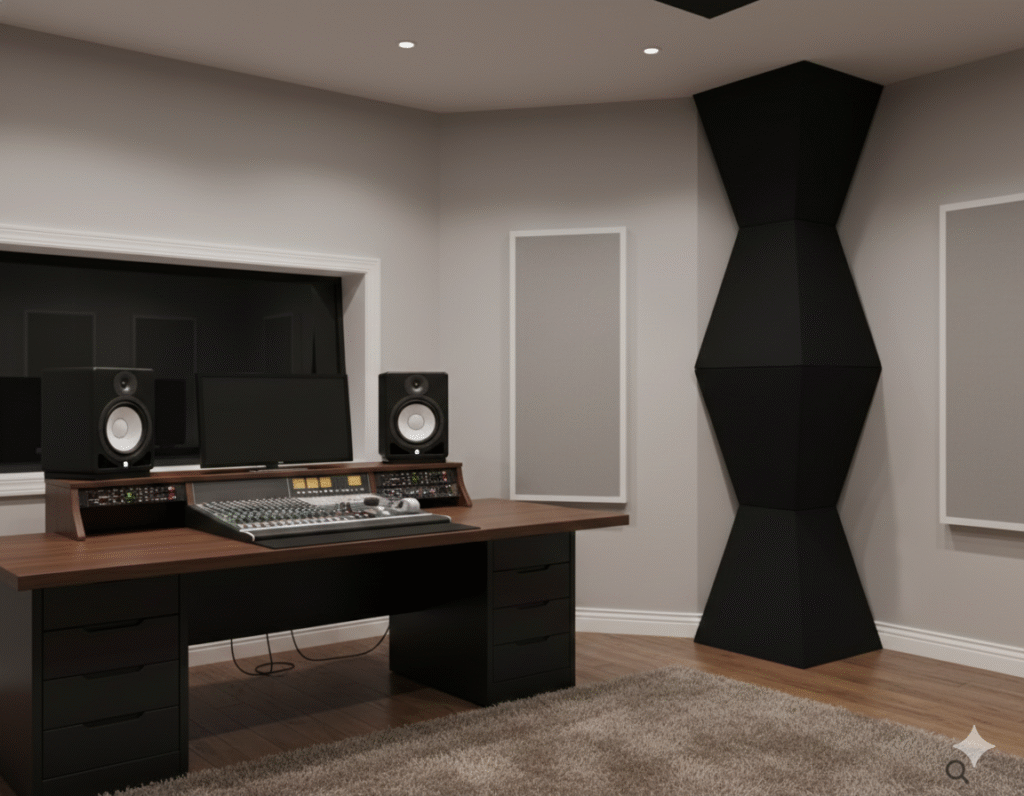
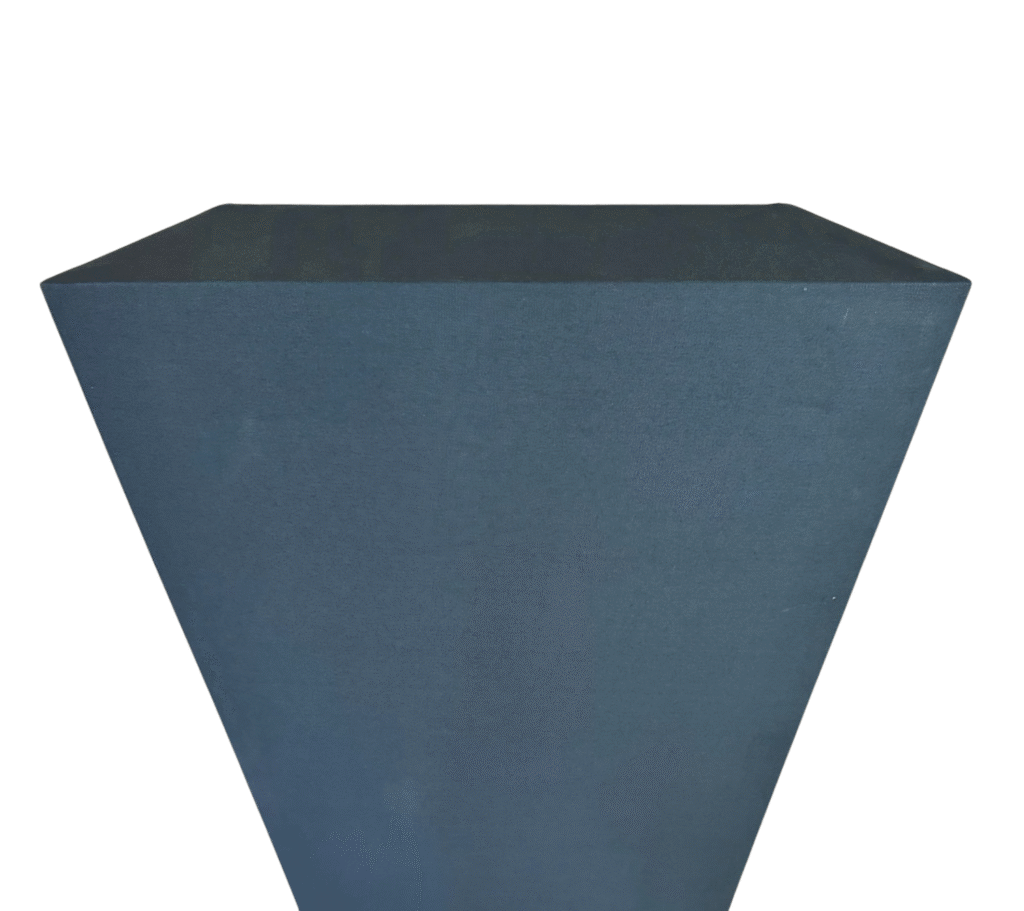
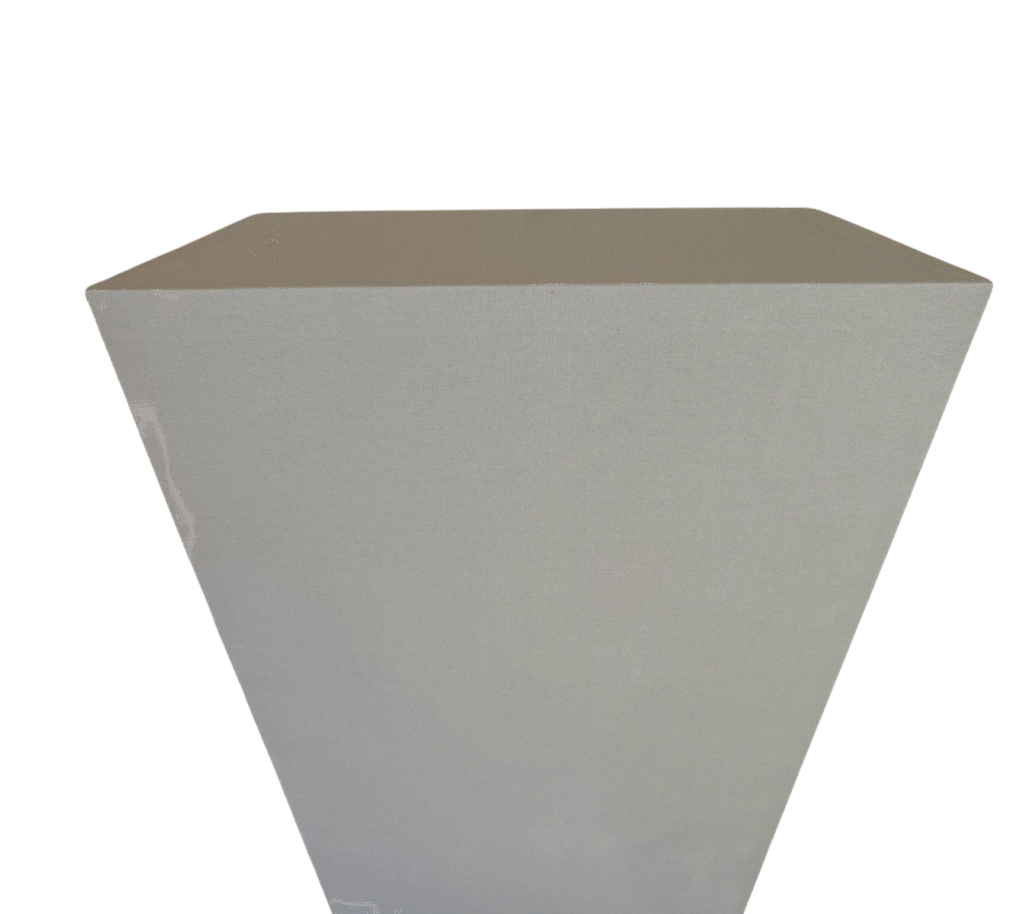
Low-frequency issues are the number one reason rooms sound muddy, uneven, or overwhelming. Whether you’re mixing music, building a home theater, or improving sound clarity in an office or listening room, uncontrolled bass can ruin even the best speakers. But once you start researching bass absorbers, you quickly run into confusion. Panel bass traps, triangular “superchunks,” and soffit bass traps are all widely recommended—and often passionately debated. So which bass trap design actually works best? The truth is simple: there is no one-size-fits-all bass trap design. Each option works differently, and understanding how they perform will help you choose the right solution for your room. This guide explains how panel, triangle, and soffit bass traps work, what really affects bass absorption, and how to get the best results without wasting space or budget. What Is a Bass Trap? A bass trap is a specialized acoustic absorber designed to control low-frequency sound energy. Bass frequencies are long, powerful waves that don’t dissipate easily. Instead, they build up along walls, ceilings, and—most importantly—corners. Without proper bass absorption, rooms suffer from: Bass traps in corners are especially effective because corners are pressure zones where low frequencies naturally accumulate. Why Bass Trap Shape Matters The shape of a bass trap affects how sound interacts with the absorber. But shape alone doesn’t determine performance. What actually matters are three key factors: Different bass trap designs prioritize these factors in different ways. Panel Bass Traps: Efficient and Flexible Panel bass traps are flat absorptive panels that can be mounted on walls or across corners. When installed diagonally in a corner, they create an air gap behind the panel—dramatically improving low-frequency absorption. How Panel Bass Traps Work Advantages of Panel Bass Traps Limitations Best for: Home studios, listening rooms, offices, home theaters, and multi-purpose spaces. Learn more: Standard Acoustic Wall Panels Triangle (Superchunk) Bass Traps: Big Presence, Mixed Performance Triangular bass traps, often called superchunks, fill corners with stacked wedges of absorption material from floor to ceiling. How Triangle Bass Traps Work Advantages Limitations Best for: Large rooms where space is not an issue and permanent treatment is acceptable. Soffit Bass Traps: Maximum Performance, Maximum Commitment A soffit bass trap is a large, box-style absorber built into corners or along wall intersections. Unlike triangular designs, soffit bass traps maintain consistent depth across the entire surface. How Soffit Bass Traps Work Advantages Limitations Best for: Commercial studios, mastering rooms, and purpose-built acoustic environments. Panel vs Triangle vs Soffit Bass Traps: Quick Comparison Feature Panel Bass Traps Triangle Bass Traps Soffit Bass Traps Space Efficiency High Low Low Installation Easy Moderate Complex Cost Efficiency High Medium Low Low-Frequency Control Excellent Variable Excellent Flexibility High Low Very Low Why Bass Traps Belong in Corners Bass frequencies behave differently than mid and high frequencies. They don’t reflect evenly—they collect in corners. Placing bass traps in corners: This is why even a few well-placed corner bass traps can dramatically improve sound quality.Shop Corner Bass Traps What Really Determines Bass Trap Performance Rather than focusing on shape alone, focus on these fundamentals: 1. Depth Is King Thicker absorbers reach lower frequencies more effectively. 2. Surface Area Matters More exposed surface area allows more sound energy to be absorbed. 3. Air Gaps Are Powerful Mounting panels away from walls increases effective depth without using extra material. This is why well-designed panel bass traps with air gaps often rival or outperform bulkier designs that lack consistent depth. Choosing the Right Bass Trap for Your Space Ask yourself: General Recommendations SoundHaven Acoustics Corner Bass Traps: Designed for Real Rooms At SoundHaven Acoustics, our Corner Bass Traps are engineered for maximum low-frequency control without unnecessary bulk. Key features: Ideal for: Final Thoughts: There’s No Perfect Bass Trap—Only the Right One The best bass trap is the one that fits your room, goals, and space. Understanding how panel bass traps, triangle bass traps, and soffit bass traps work allows you to make informed decisions and avoid costly mistakes. Bass control isn’t optional—it’s foundational. When bass is treated correctly, everything else sounds better. If you’re ready to hear the difference, start with the corners. Additional limitation would be costly

Bass Trap Design Guide: Panel vs Triangle vs Soffit Bass Traps Explained Read More »

Choosing the Right Sound Insulation Materials for Acoustic Panels

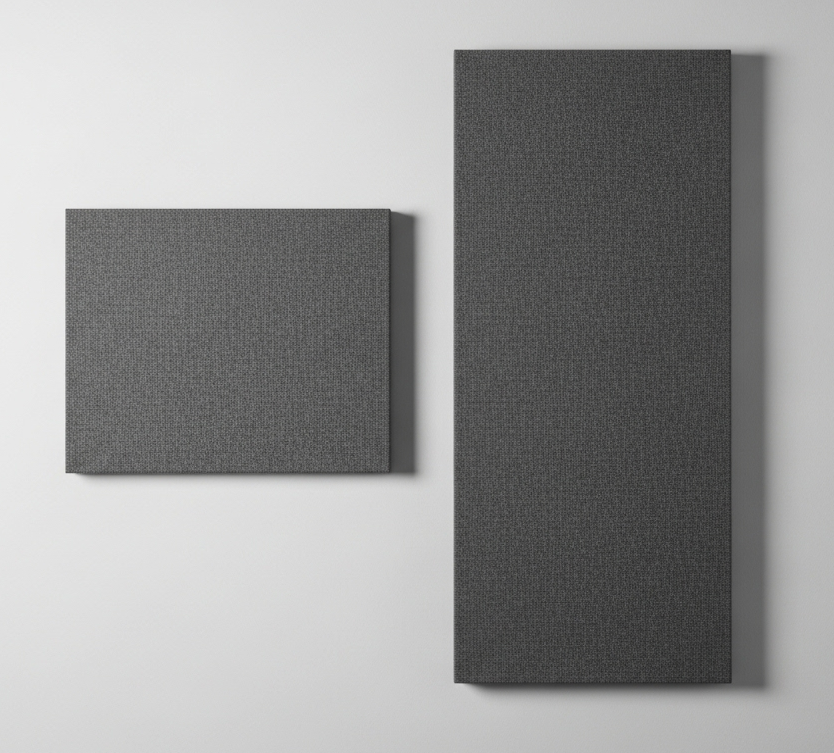
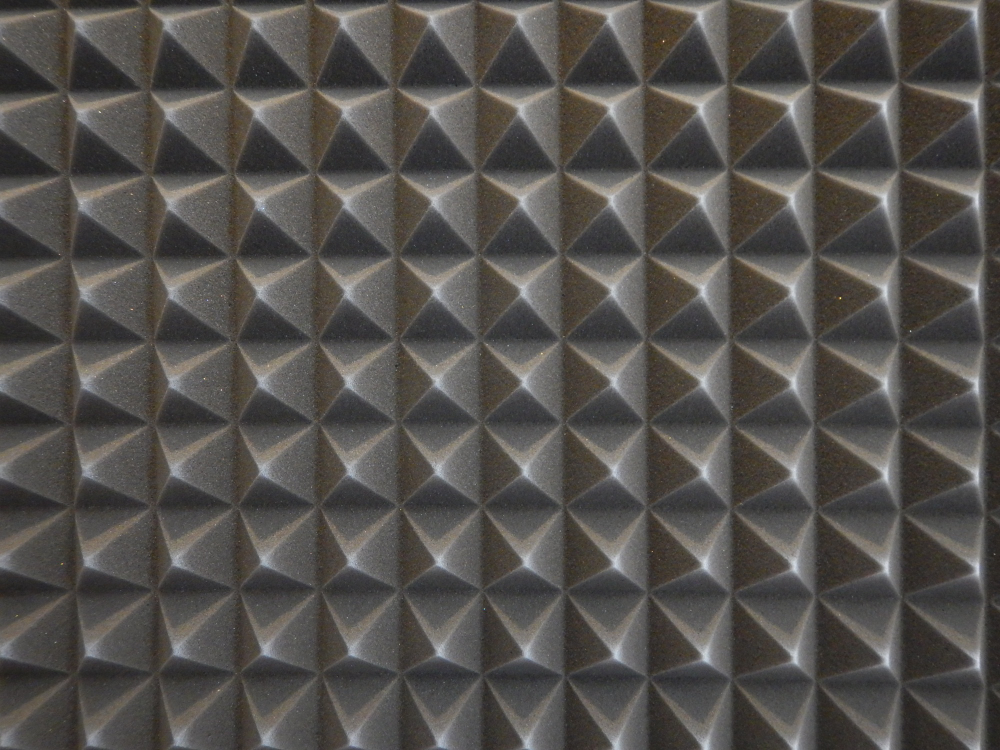
When it comes to improving sound quality in a space, the materials behind your acoustic panels matter just as much as where they’re installed. Whether you’re treating a home theater, recording studio, office, or commercial space, selecting the right sound insulation materials is the foundation of effective acoustic treatment. At SoundHaven Acoustics, our professional-grade panels are engineered using proven sound absorption material to reduce echo, control reflections, and create a clearer, more comfortable listening environment. In this guide, we’ll break down the most effective acoustic panel materials, how they work, and what to look for when choosing a long-lasting acoustic solution. Understanding Sound Insulation vs Sound Absorption Before choosing materials, it’s important to understand the difference between two commonly confused concepts: Most interior acoustic treatments—including wall panels and ceiling panels—use sound absorption material, not full soundproofing construction. High-quality sound insulation materials help absorb sound energy, improving clarity without requiring structural changes. Why Acoustic Panel Material Matters The effectiveness of an acoustic panel depends largely on: Low-quality or decorative materials may look good but provide minimal acoustic benefit. Professionally engineered acoustic isolation material is designed to absorb sound across a wide frequency range while maintaining durability and safety. Common Types of Sound Insulation Materials 1. Mineral Wool (Rockwool) Mineral wool is one of the most effective and widely used sound insulation materials in professional acoustic panels. It offers: SoundHaven Acoustics uses Rockwool Acoustical Fire Batt insulation in our Standard Acoustic Wall Panels to ensure consistent performance across residential and commercial environments. 2. Fiberglass Insulation SoundHaven Acoustics uses rigid fiberglass in ceiling panels and high-impact areas.  3. Acoustic Foam Foam panels are lightweight and easy to install, but they are typically thin and less effective for low frequencies. Foam works best for reducing high-frequency reflections but is not ideal as a primary sound insulation solution for balanced acoustic treatment. 4. Recycled and Natural Materials Some panels use recycled cotton, denim, or natural fibers. While these can be effective when engineered correctly, performance varies widely depending on density and thickness. What Makes a Material Effective for Sound Absorption? An effective sound absorption material must allow sound waves to enter the panel and lose energy as they pass through. This is influenced by: Density Materials that are too light won’t absorb enough sound. Materials that are too dense may reflect sound instead of absorbing it. Professionally tested materials strike the right balance. Thickness Thicker panels absorb a wider range of frequencies. That’s why SoundHaven Acoustics offers panels with 2–4 inch insulation depth, ensuring better performance than thin decorative alternatives. Breathability Fabric-wrapped panels allow sound to pass through to the insulation inside. This is critical for effective absorption. Sound Insulation Materials Used by SoundHaven Acoustics Our Standard Acoustic Wall Panels are constructed using carefully selected materials that meet professional acoustic standards. Key Features: These features ensure that our panels function as effective sound absorption material across a wide range of applications. Applications for Acoustic Panels with Proper Insulation Using the right acoustic panel material makes a noticeable difference in many environments, including: In each case, well-chosen sound insulation materials improve comfort, clarity, and overall sound quality. Sound Insulation vs DIY Solutions DIY acoustic panels can work when built correctly, but many fall short due to: Professionally manufactured panels eliminate guesswork. At SoundHaven Acoustics, our panels are tested and built to deliver predictable, long-term results without trial and error. Why Thickness Matters in Acoustic Panels Thin panels often absorb only high frequencies, leaving bass and low mids uncontrolled. This can create an unbalanced sound environment. Panels with proper insulation depth: That’s why our acoustic panel material options are designed with real-world performance in mind. Combining Acoustic Panels with Other Treatments For best results, acoustic wall panels should be part of a complete system: Together, these treatments create a well-balanced acoustic environment using complementary sound insulation materials. Care and Longevity of Acoustic Panel Materials High-quality sound absorption material requires minimal maintenance: With proper care, professional panels maintain performance and appearance for many years. Why Choose SoundHaven Acoustics? SoundHaven Acoustics designs and supplies professional acoustic solutions built for performance, safety, and aesthetics. What Sets Us Apart: Our goal is not just to reduce noise—but to create spaces where sound feels natural and controlled. Final Thoughts Choosing the right sound insulation materials is the most important step in effective acoustic treatment. From material density and thickness to proper installation, every detail matters. With professionally engineered acoustic panel material, you can eliminate echo, improve clarity, and create a more comfortable environment without expensive structural changes. At SoundHaven Acoustics, our acoustic panels are built using proven sound absorption material that delivers reliable results—helping you truly hear the difference.

Choosing the Right Sound Insulation Materials for Acoustic Panels Read More »

Corner Bass Traps: The Key to Controlling Low Frequencies and Improving Sound Clarity

Low-frequency sound is one of the most challenging acoustic issues in any space. Whether you’re dealing with a boomy home theater, muddy studio recordings, or uneven sound in an office or commercial environment, uncontrolled bass can quickly ruin the listening experience. This is exactly why corner bass traps are an essential part of effective acoustic treatment. At SoundHaven Acoustics, our professional-grade bass traps are engineered to absorb low-frequency energy where it builds up the most—room corners. With high-performance materials, clean design, and easy installation, our corner bass traps help you truly hear the difference. What Are Corner Bass Traps? Corner bass traps are specialized acoustic panels designed to absorb low-frequency sound waves (bass). Unlike standard acoustic wall panels that primarily address mid and high frequencies, bass traps target deep, powerful sound waves that cause resonance, boominess, and uneven sound distribution. Bass frequencies naturally accumulate where walls meet—especially in corners. By installing bass traps in corners, you intercept this energy before it reflects back into the room, resulting in tighter, cleaner, and more balanced sound. Why Bass Traps Are Installed in Corners Bass Pressure Is Highest in Corners Low-frequency sound behaves differently than higher frequencies. As sound waves reflect off walls, they stack up where multiple surfaces intersect. This makes corners the most effective placement for bass absorbers. Maximum Efficiency with Fewer Panels A corner bass trap absorbs sound from multiple directions at once. This means fewer panels can achieve better results compared to flat wall placement. Improved Overall Acoustic Balance When bass is controlled, the entire frequency spectrum improves. Vocals become clearer, instruments sound more defined, and listening fatigue is reduced. Features of SoundHaven Acoustics Corner Bass Traps Our Corner Bass Traps are designed for both performance and durability, making them ideal for residential and commercial use. Premium Construction Designed for 90-Degree Corners Easy & Secure Installation Benefits of Using Bass Traps 1. Reduced Boominess Bass traps absorb excess low-frequency energy, eliminating the overpowering bass that often dominates untreated rooms. 2. Clearer Sound When bass is controlled, mids and highs are no longer masked. This improves speech clarity, music detail, and overall sound balance. 3. Better Listening Experience Whether you’re mixing audio, watching movies, or holding meetings, bass absorbers create a more comfortable and professional sound environment. 4. Versatile Applications Our corner bass traps are ideal for: Bass Traps vs Standard Acoustic Wall Panels Many people assume standard panels will fix bass problems. While acoustic wall panels are excellent for echo control, they are not designed to handle deep bass. Feature Acoustic Wall Panels Corner Bass Traps Echo reduction ✅ Yes ✅ Yes Bass control ❌ Limited ✅ Excellent Thickness 2–3 inches 4 inches Placement Flat walls Corners For best results, corner bass traps should be used alongside standard acoustic wall panels, not as a replacement. How Many Bass Traps Do You Need? The number of bass traps depends on room size, layout, and usage. A general recommendation is: SoundHaven Acoustics can help guide placement to achieve the best results for your space. Do Bass Traps Help with Soundproofing? Bass traps improve perceived sound isolation by reducing low-frequency resonance, but they do not fully soundproof a room. True soundproofing requires structural changes. However, combining corner bass traps, acoustic wall panels, and ceiling panels significantly improves sound control and comfort. Why Choose SoundHaven Acoustics? SoundHaven Acoustics delivers professional-grade bass traps built for real-world performance. What Sets Us Apart: Our products are designed to deliver long-term acoustic improvement, not temporary fixes. Care and Maintenance Corner bass traps require minimal maintenance: With proper care, your bass traps will maintain both performance and appearance for years. Final Thoughts If your space suffers from muddy bass, uneven sound, or low-frequency resonance, corner bass traps are one of the most effective acoustic upgrades you can make. By targeting bass where it builds up the most—room corners—you achieve cleaner sound, better balance, and a more enjoyable environment. At SoundHaven Acoustics, our bass traps in corners are engineered to deliver professional results across a wide range of applications. When sound clarity matters, trust solutions designed to help you hear the difference.

Corner Bass Traps: The Key to Controlling Low Frequencies and Improving Sound Clarity Read More »

A Complete Guide to Acoustic Wall Panels: Benefits, Installation & Care

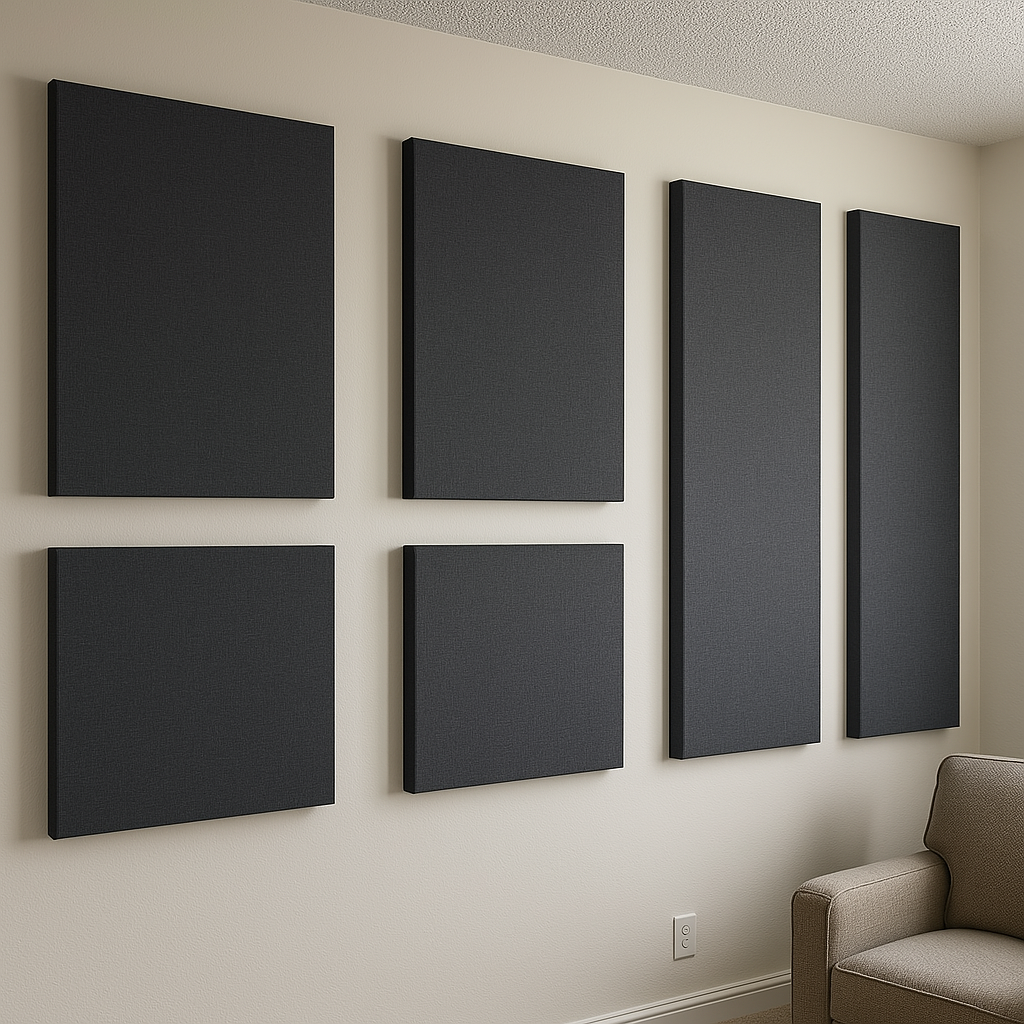
In today’s modern spaces, noise control is no longer a luxury—it’s a necessity. From home offices and recording studios to commercial buildings and entertainment venues, sound quality directly affects comfort, productivity, and overall experience. This is where acoustic panels for walls play a vital role. Designed to absorb unwanted sound reflections, reduce echo, and improve clarity, acoustic wall panels are one of the most effective sound treatment solutions available. At SoundHaven Acoustics, we design and supply professional-grade acoustic solutions that help you truly hear the difference. This guide will walk you through everything you need to know about acoustic wall panels—their benefits, types, installation process, and ongoing care. What Are Acoustic Panels for Walls? Acoustic panels for walls are specially engineered panels that reduce sound reflections and reverberation within a space. Unlike decorative wall panels, these panels are built using sound-absorbing materials that trap sound waves instead of letting them bounce off hard surfaces like drywall, concrete, or glass. When sound reflects repeatedly, it creates echo, noise buildup, and reduced speech clarity. Wall panel sound insulation addresses this problem by absorbing mid-to-high frequency sound waves, creating a balanced and controlled acoustic environment. Benefits of Acoustic Wall Panels Types of Acoustic Panels for Walls Acoustic Board Installation: Why Placement Matters Proper acoustic board installation is critical for achieving the best results. Even high-quality panels will underperform if installed incorrectly. Key Installation Areas: At SoundHaven Acoustics, our panels come with Z-clips and secure fasteners for easy, professional installation. DIY vs Professional Installation While DIY installation is possible, professional installation ensures: Why Choose SoundHaven Acoustics? SoundHaven Acoustics delivers professional-grade Standard Acoustic Wall Panels that combine performance, durability, and design. Our products use high-quality Rockwool Acoustical Fire Batt insulation for excellent sound absorption and long-lasting results. What Sets Us Apart: Our goal is not just to reduce noise—but to create environments where sound feels natural, balanced, and enjoyable. Caring for Acoustic Wall Panels Acoustic panels are low maintenance. Maintenance Tips: With proper care, acoustic fabric wall panels can maintain performance and appearance for years. Are Acoustic Panels Worth the Investment? Absolutely. Whether addressing noise in a workspace or enhancing audio quality in a studio, acoustic panels deliver measurable improvements. They enhance comfort, productivity, and sound clarity while adding visual appeal to your space. Final Thoughts If you’re struggling with echo, noise, or poor sound quality, acoustic wall panels are one of the most effective solutions. With the right materials, placement, and installation, noise insulation wall panels can transform how your space sounds and feels.Trust SoundHaven Acoustics for expertly crafted acoustical panels that deliver professional results across residential and commercial applications. When sound matters, hear the difference with SoundHaven.

A Complete Guide to Acoustic Wall Panels: Benefits, Installation & Care Read More »

How Do Acoustic Panels Work?

How Do Acoustic Panels Work? 

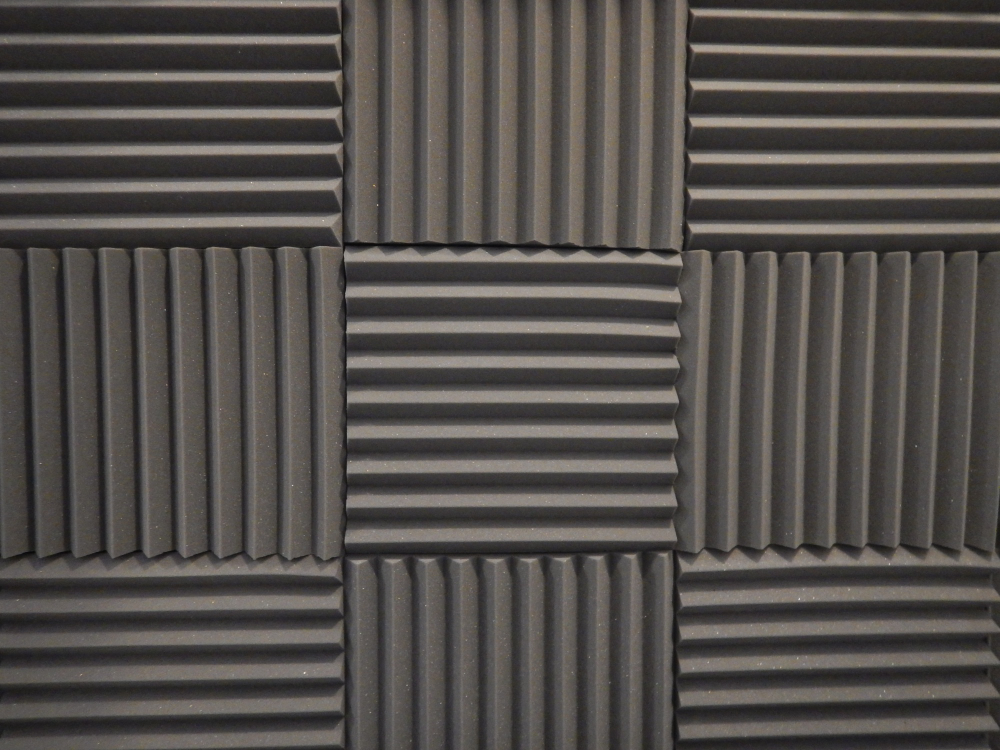
We experience sound every day. When we’re in a café or in a bustling office or at home relaxing, or even recording music, how sound is positioned in a room can affect the quality of our experience, comfort and overall experience. However, the majority of rooms aren’t built to be able to manage the sound. The hard surfaces like windows, walls, ceilings and floors cause reflections and echoes which make rooms feel loud and hollow or uncomfortable. That’s exactly the place where Acoustic panels are a good choice. In SoundHaven Acoustics, we assist businesses and homes located in Austin, TX, improve their sound quality by providing premium sound solutions. If you’ve ever thought about what acoustic panels do and how they operate and how they work, this comprehensive guide will provide all the information you need to know, without technical jargon. What Are Acoustic Panels? Before discussing the way they function, it’s essential to understand the basics of what they are. Acoustic panels are sound-absorbing constructions designed to block noise, lessen echo, and enhance the quality of sound in a room. They come in many styles, shapes and materials. Foam fabric, wood and fibreglass are the most popular. Many assume that the panels block sound; however, their primary function is to take in sound but not prevent it from leaving or entering the room. How Do Acoustic Panels Actually Work? The principle that drives Acoustic panels is rooted in the physics of sound; however, the concept is rather easy to grasp once you know the concept. Sound waves travel through the atmosphere and then bounce off the surfaces. The bounce creates echoes and reverberation. Acoustic panels suffocate the sound waves and prevent reflections back into the space. This is a step-by-step explanation of the way they function: 1. Sound Waves Hit the Panel Surface If someone speaks or plays music, or any other sound is heard in the room, sound waves propagate outward. When they reach the surface of the panel — which is typically porous or wrapped in fabric– the material begins taking in the sound rather than reflecting the sound. 2. The Material Converts Sound Energy Into Heat This may sound like science; however, it’s actually quite easy. In the panel are small air pockets that are small. If sound is absorbed by these pockets and the energy from the soundwave is converted to tiny amounts of heat. This process decreases the power of the sound and also stops it from returning to the space. The heat is minimal, and you will not feel any difference, but this is the fundamental mechanism behind the way Acoustic panels function. 3. The Panel Reduces Echo and Reverb Since sound waves are absorbed instead of reflecting, the room gets cleaner, quieter, and more even. Echo disappears, speech becomes clearer, and the room is more relaxed. This is the reason you can notice a huge improvement in sound quality when the acoustic panels are set up. 4. They Improve Overall Sound Quality If reflections are reduced, what you hear becomes more precise. It doesn’t matter if it’s a conversation at a table or a dialogue from a film or even a music note, Acoustic panels provide clarity and focus to the sound. This is particularly important because: Sound gets smoother, more controlled and enjoyable. Types of Acoustic Panels and How Each One Works Acoustic panels are not created in exactly the same way. Different materials absorb the sound at different frequencies. 1. Foam Acoustic Panels They are affordable and ideal to use for simple echo reduction. They function by encapsulating sound waves within their open-cell foam structures. Ideal for: 2. Fabric-Wrapped Acoustic Panels These are premium panels that are commonly employed in commercial areas as well as homes. They make use of mineral or fibreglass wool and are backed with a fabric. They are able to absorb sound throughout a wide frequency range. The best for: 3. Wooden Acoustic Panels These panels are stylish and have practicality. They aren’t as able to absorb sound as fabric panels; however, they can diffuse sound waves, which helps create an acoustic space that is balanced. 4. Bass Traps In corners, they are able to absorb bass and low frequencies (bass) that tend to accumulate within tight spaces. The best for: Where Should Acoustic Panels Be Placed for Best Results? The efficiency of panels for acoustics is dependent on their proper positioning. Here are the most effective locations: First reflection points These are the places that sound bounces the most, which are usually the walls that are behind or next to you. Contrasting hard surfaces Large, flat walls cause echo; panels diminish this. Corners Bass is more prevalent in corners, and bass traps need to be put in the corners. Ceilings Restaurants, office spaces, and conference rooms typically benefit from overhead audio panels. In SoundHaven Acoustics, we help our clients in Austin to find the ideal balance between aesthetics and functionality positioning. Acoustic Panels vs Soundproofing: What’s the Difference? One of the biggest myths is that acoustic panelling can block out outside noise. However, in reality: Acoustic Panels = Increase the sound quality inside the room Soundproofing = Block the passage of sound If your objective is to decrease the echo in your home, then an acoustic panel can be ideal.If your intention is to block street noise, soundproofing is required. Why Acoustic Panels Matter for Modern Spaces With floor plans that are open as well as high ceilings and minimalist designs that are becoming increasingly fashionable, modern spaces are not soundproofed to the best of their capacity. Hard surfaces look stylish but create noise problems. Acoustic panels help: This is crucial for companies in Austin, where productivity and customer satisfaction are the highest goals. Conclusion Knowing the way acoustic panels function can help you understand the value they add to any room. Through absorbing sound waves as well as reducing echo and enhancing clarity, the panels create spaces which feel calmer more clearer, more

How Do Acoustic Panels Work?  Read More »

What Do Acoustic Panels Do?

What Do Acoustic Panels Do?

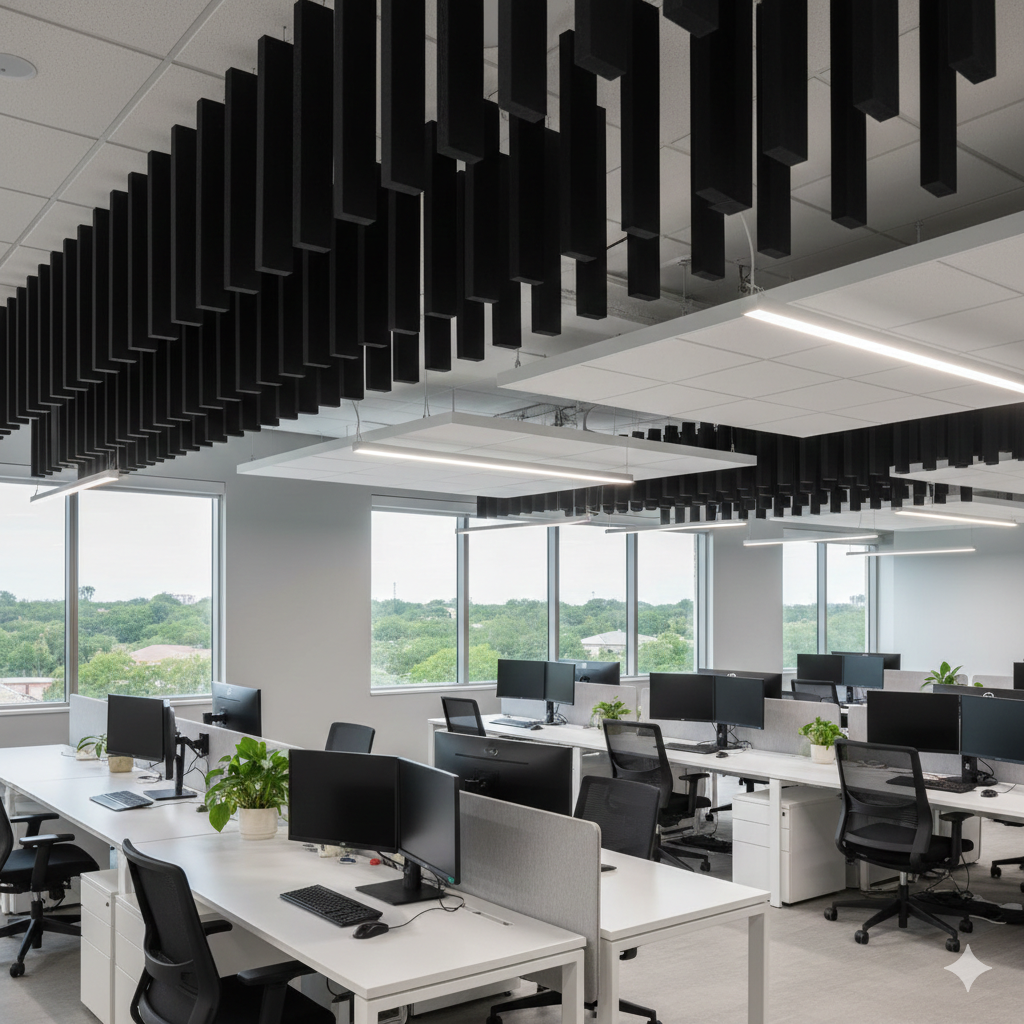
Sound plays a larger part in life than what we observe. It doesn’t matter if you’re working in a busy workplace or recording in a recording studio, managing an eatery or trying to relax in the peace of your home. Unwanted noise can be a hassle. This is where Acoustic panels are a good choice. They’re among the simplest, efficient solutions to improve sound quality and decrease noise issues. We are SoundHaven Acoustics, and we collaborate with homeowners and businesses throughout Austin, TX to create tranquil, even, well-balanced and echo-free spaces. This blog will help you find out what acoustic panels can do, as well as why they’re essential and how they can totally transform the ambience of any space. Understanding What Acoustic Panels Really Do Many people think that Acoustic panels are just for theatres or music studios. In reality that these panels can help enhance sound quality in nearly every space. They don’t simply absorb sound; they direct it. To better understand them, think of an area as a container. When you speak, play music or move objects, sounds bounce throughout the space. The hard surfaces of windows, floors, walls and even ceilings absorb sound waves, which causes echo, reverb and the buildup of noise. Acoustic panels help reduce reflections, creating a cleaner and clearer sound space. How Acoustic Panels Improve Sound Quality 1. They Reduce Echo and Reverberation The primary purpose of the acoustic panels is to regulate echo. An echo is the sluggish, unattractive sound heard in empty rooms or spaces that have lots of hard surfaces. Reverberation blurs conversations and can make rooms seem crowded even when only a few people are speaking. Acoustic panels encapsulate these oscillating sound waves, allowing the room a relaxing sound balance. 2. They Enhance Speech Clarity In meeting rooms, offices or even in schools and the living room of your home, Clear communication is crucial in all settings. If sound reflections are reduced, the voices are easier to hear. This can help: A clearer voice means fewer misunderstandings as well as more efficient conversations. 3. They Improve Music and Entertainment Quality This is especially helpful to: Acoustic panels help movies, music and voices sound more vibrant and more precise. There are no reflections, just pure, clear sound. What Acoustic Panels DO NOT Do Many people mistake the term “acoustic treatment” with soundproofing. It’s crucial to recognize the distinction. Acoustic panels help to improve the sound in the room. Acoustic panels are not able to hinder the sound from entering or leaving the space. If the outside noise is a problem, whether it’s traffic, neighbours’ construction, or other noise–you must consider the right soundproofing material that goes beyond the acoustic treatment. Where Acoustic Panels Make the Biggest Difference 1. Offices and Workspaces Modern offices usually feature open-plan layouts, glass walls and solid surfaces. This is beautiful, but it can create a lot of noise. Acoustic panels: We are SoundHaven Acoustics. We frequently install panels in coworking spaces around Austin due to their immediate impact on productivity. 2. Restaurants and Cafes The noise of a restaurant can derail your dining experience. Customers like places in which they do not have to shout. Acoustic panels cut down on loud conversations while creating a relaxing environment. 3. Homes If you’re planning to set up your home office, theatre in your home, or need a more tranquil living space, Acoustic panels can help create a room that feels more tranquil and cozy. 4. Music Studios Professionals depend on acoustic treatment to ensure that they have a clear sound monitor. If they don’t, the recordings won’t sound as clear, and mixing becomes a challenge. 5. Schools and Educational Centres Classrooms benefit from improved speech clarity, particularly for children. Types of Acoustic Panels and Their Functions 1. Fabric Acoustic Panels The most well-known type is stylsh, functional, efficient, and suitable for offices, homes as well as studios. 2. Foam Acoustic Panels Lightweight and a favorite for setups that are budget-friendly. 3. Wooden Acoustic Panels It is used for decorative purposes and with the ability to control sound. 4. Bass Traps Installed in corners to decrease the buildup of low-frequency. Each one has a distinct impact on the quality of room acoustics. A good combination will give you an acoustic environment that is balanced. The Science Behind How Acoustic Panels Work Acoustic panels are constructed from materials that absorb the sound energy. When sound waves strike the panels, they penetrate the porous surface and weaken instead of returning to the room. This helps to reduce echo and produce a smoother and natural sound. Density, thickness and the location of panels all determine their effectiveness. Professional guidance typically will yield better results. Why Choose SoundHaven Acoustics in Austin, TX? In SoundHaven Acoustics, we specialize in providing top-quality audio solutions specifically designed for the space you have. If you require panels for your home office, restaurant or commercial building, we simplify the process. We can assist with: Our mission is to create functional, beautiful spaces where the sound is natural and at ease. Also, Check How to Install Acoustic Panels Conclusion What, what do acoustic panels accomplish? They shape how the room feels and sounds. They help to block unwanted reflections, increasing clarity, reducing echo and improving the overall sound quality. These panels can make daily spaces more pleasant. When you’re renovating your home or expanding your office space within Austin, TX, the best acoustic treatments can transform the way you live. Frequently Asked Questions (FAQs) 1. Do acoustic panels work? Yes. If properly installed, Acoustic panels can significantly decrease echo and increase clarity in any space. 2. How many acoustic panels will I require? The majority of rooms require 20 to 35 per cent of the wall in accordance with the room’s size and echo level. 3. Do acoustic panels block external sound? No. Acoustic panels can help in reflecting sound from indoors. To block out external noise, you require soundproofing materials. 4. Where should I put

What Do Acoustic Panels Do? Read More »

How to Install Acoustic Panels

How to Install Acoustic Panels

A peaceful, echo-free space doesn’t need to be a hassle. It doesn’t matter if you’re renovating an office space at your house, updating the recording studio or improving the acoustics of your restaurant; correctly installing acoustic panels could transform the atmosphere. At SoundHaven Acoustics, we help homeowners and businesses in Austin, TX transform noisy rooms into comfortable, professional-sounding spaces. In this tutorial, you’ll discover how to mount Acoustic panels quickly and efficiently, without anxiety or confusion. From planning the layout to choosing the appropriate way to mount it, this guide will cover everything you need to be aware of. Why Installing Acoustic Panels Matters Before beginning how to install the panel, it’s crucial to comprehend why these panels are efficient. Acoustic panels block out the sound waves that are too loud, decrease echo and create a more balanced ambience. If a space feels loud or hollow, or “boomy,” installing acoustic panels is among the best upgrades you could make. If you’re putting up a studio for podcasting or a classroom, a conference room, or even your living room entertainment space, the proper installation technique guarantees you the highest performance. Step-by-Step Guide: How to Install Acoustic Panels Installing an acoustic panel is simpler than people believe. Follow these steps to get an attractive and professional look. Step 1: Evaluate Your Space Start by analyzing your room’s noise behavior. Explore the room and then clap your hands. If you can hear echo or reverb sounds, these are the areas that you need to repair. The focus should be on: Here at SoundHaven Acoustics, we usually suggest starting with the first reflection points, which are the areas in which sound waves bounce first. Step 2: Choose the Right Type of Acoustic Panels Acoustic panels do not all look exactly the same. The type of room you are in may be necessary to: Acoustic panels made of fabric Ideal for restaurants, offices and home theatres. Acoustic foam panels Ideal option for echo-control basics as well as affordable configurations. Wooden and fabric hybrid panels Ideal for modern interiors that need superior sound absorption. Bass traps In corners, it is used to prevent the buildup of low-frequency sound. Combining the right components can enhance the clarity of sound and comfort in the room. Step 3: Prepare Your Walls Before you install your acoustic panels, ensure that the wall is dry and clean.Get rid of moisture, dust, or paint that is loose for better adhesion. You may need: Step 4: Measure & Mark the Placement This is among the most crucial aspects in learning to install Acoustic panels. Here’s how to do it: This will ensure that your design is visually pleasing and symmetrical. Step 5: Select Your Mounting Method There are a variety of options for you that are based on the duration of your stay and the type of room: 1. Adhesive Spray / Double-Sided Tape The best option is a panel of foam or temporary installations.Pros: Simple, quickCons: Not suitable for large panels. 2. Command Strips It is useful for renting out temporary installations.Positives: There is no wall damagePros: It works only using acoustic panels made of lightweight materials. 3. Z-Clips / Z-Bars Ideal for fabric-wrapped, heavy-duty panels. Perfect for tough, fabric-wrapped.Pros: Safe, long-lasting professionalPros: Needs precise measurement and drilling 4. Impaling Clips In studios, it is commonplace to see this.Positives: It’s secure and simpleCons: Small holes are left behind. In SoundHaven Acoustics, our team suggests Z-clips to ensure durability and cleaner finishes. This is especially true for commercial areas in Austin. Step 6: Install the Acoustic Panels The next step is the actual assembly process: Foam Panels Spread adhesive evenly over the back. Wait 30 seconds before gluing solidly to the wall.Press for about 10 seconds to make sure that the lock is secure. Fabric-Wrapped Panels Attach Z-clips to the wall and the back of the panel.Align, slide and lock the panel in its place. Bass Traps Install corner joints with corner brackets or adhesive to provide stability. Check that every Panel is level and well placed in a symmetrical way. Step 7: Test and Adjust When the panels have been put in after installation, place them in different parts of the room and then test the audio.Talk, play and play some music. If you hear echoes in certain areas, you might want to add a couple of Acoustic panels. Remember:Most rooms are acoustically perfect with a coverage of 20-35% of the wall. Maintenance Tips for Long-Lasting Acoustic Panels Conclusion Understanding how to install Acoustic panels is easy if you follow the correct steps. By ensuring proper positioning and mounting, it is possible to transform any space into a tranquil sound-free space. If you’re located in Austin, TX and need premium acoustic panels, professional assistance, or skilled installations, SoundHaven Acoustics is here to assist. Frequently Asked Questions (FAQs) 1. How many acoustic panels will I require for a room? The majority of rooms require 20 to 35 per cent of the wall. Rooms with echo issues may require more. 2. Do I have the ability to install Acoustic panels without drilling? Yes. Foam panels, tiles that are lightweight, and some fabrics are installed with glue sprays, command strips, as well as double-sided tape. 3. How high should the acoustic panels be set? The distance between 3-6 feet away from the flooring is ideal, as it’s where the most reflections of sound occur. 4. Do acoustic panels help reduce the noise coming from outside? They are primarily used to reduce reflections from indoor reflections and echo, but not noise from outside. To block out noise the sound, you require soundproofing materials. 5. Are acoustic panels movable? Yes. Panels that are mounted using adhesive pads or command strips are able to be removed.Permanent mounts, such as Z-clip, could leave marks of a minor nature.

How to Install Acoustic Panels Read More »

Shopping Cart
Scroll to Top