
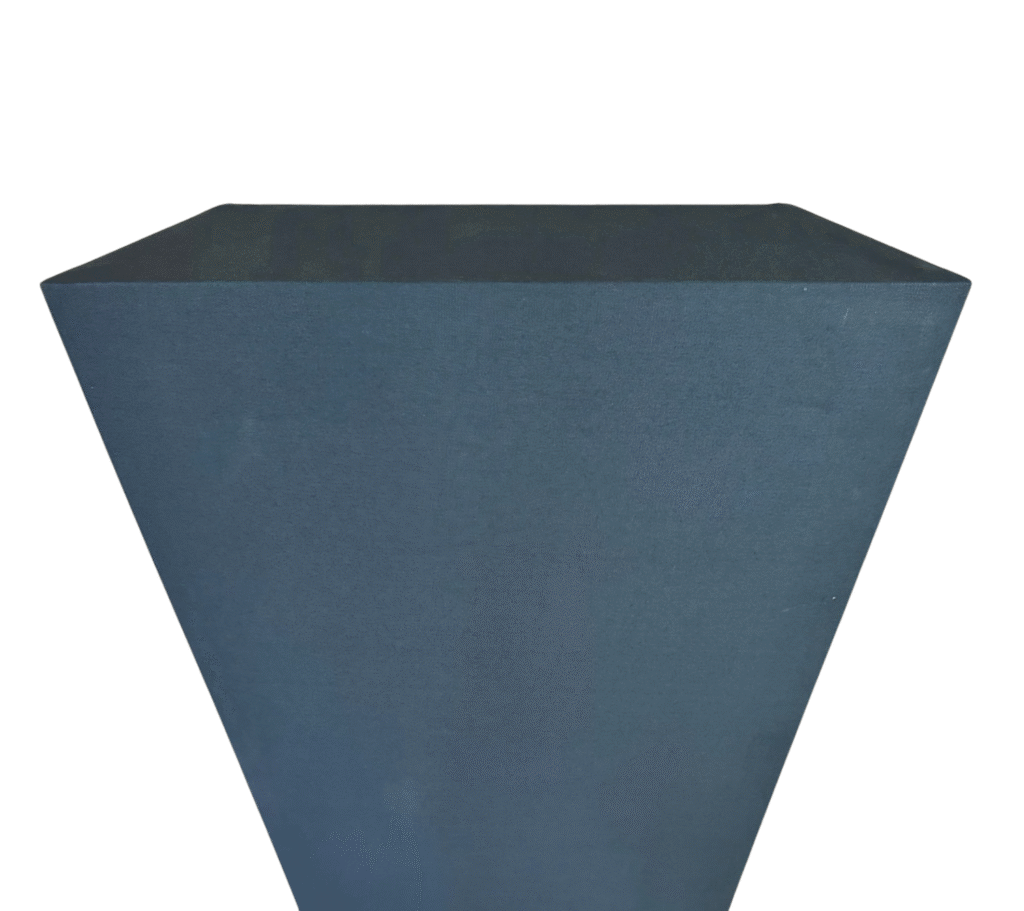
Low-frequency issues are the number one reason rooms sound muddy, uneven, or overwhelming. Whether you’re mixing music, building a home theater, or improving sound clarity in an office or listening room, uncontrolled bass can ruin even the best speakers.
But once you start researching bass absorbers, you quickly run into confusion. Panel bass traps, triangular “superchunks,” and soffit bass traps are all widely recommended—and often passionately debated. So which bass trap design actually works best?
The truth is simple: there is no one-size-fits-all bass trap design. Each option works differently, and understanding how they perform will help you choose the right solution for your room.
This guide explains how panel, triangle, and soffit bass traps work, what really affects bass absorption, and how to get the best results without wasting space or budget.
What Is a Bass Trap?
A bass trap is a specialized acoustic absorber designed to control low-frequency sound energy. Bass frequencies are long, powerful waves that don’t dissipate easily. Instead, they build up along walls, ceilings, and—most importantly—corners.
Without proper bass absorption, rooms suffer from:
- Boomy or exaggerated low end
- Weak or missing bass notes
- Poor clarity and definition
- Listening fatigue
Bass traps in corners are especially effective because corners are pressure zones where low frequencies naturally accumulate.
Why Bass Trap Shape Matters
The shape of a bass trap affects how sound interacts with the absorber. But shape alone doesn’t determine performance. What actually matters are three key factors:
- Depth – Deeper absorbers work at lower frequencies
- Surface Area – More exposed area absorbs more energy
- Air Gap – Space behind absorbers increases effectiveness
Different bass trap designs prioritize these factors in different ways.
Panel Bass Traps: Efficient and Flexible
Panel bass traps are flat absorptive panels that can be mounted on walls or across corners. When installed diagonally in a corner, they create an air gap behind the panel—dramatically improving low-frequency absorption.
How Panel Bass Traps Work
- Sound passes through dense absorption material
- The air gap behind the panel increases effective depth
- Low frequencies lose energy as they travel through both material and air
Advantages of Panel Bass Traps
- Excellent bass absorption when corner-mounted
- Efficient use of materials
- Easy installation and flexibility
- Cost-effective
- Clean, professional appearance
Limitations
- Require correct placement for best results
- Less visually “massive” than large soffit traps
Best for: Home studios, listening rooms, offices, home theaters, and multi-purpose spaces.
Learn more: Standard Acoustic Wall Panels
Triangle (Superchunk) Bass Traps: Big Presence, Mixed Performance
Triangular bass traps, often called superchunks, fill corners with stacked wedges of absorption material from floor to ceiling.
How Triangle Bass Traps Work
- Large volume of material fills the corner
- Sound encounters varying depths across the trap
- Absorption effectiveness changes depending on where sound hits
Advantages
- Impressive physical size
- Popular in DIY builds
- Can be effective when built very deep
Limitations
- Uneven depth reduces efficiency
- Less effective surface area than expected
- Uses a lot of material without proportional performance gains
- Takes up valuable floor space
Best for: Large rooms where space is not an issue and permanent treatment is acceptable.
Soffit Bass Traps: Maximum Performance, Maximum Commitment
A soffit bass trap is a large, box-style absorber built into corners or along wall intersections. Unlike triangular designs, soffit bass traps maintain consistent depth across the entire surface.
How Soffit Bass Traps Work
- Uniform thickness ensures predictable absorption
- Large surface area intercepts more low-frequency energy
- Excellent performance across a wide bass range
Advantages
- Outstanding bass control
- Consistent and measurable results
- Ideal for professional studios
Limitations
- Requires significant space
- Permanent installation
- Higher cost and complexity
Best for: Commercial studios, mastering rooms, and purpose-built acoustic environments.
Panel vs Triangle vs Soffit Bass Traps: Quick Comparison
| Feature | Panel Bass Traps | Triangle Bass Traps | Soffit Bass Traps |
| Space Efficiency | High | Low | Low |
| Installation | Easy | Moderate | Complex |
| Cost Efficiency | High | Medium | Low |
| Low-Frequency Control | Excellent | Variable | Excellent |
| Flexibility | High | Low | Very Low |
Why Bass Traps Belong in Corners
Bass frequencies behave differently than mid and high frequencies. They don’t reflect evenly—they collect in corners.
Placing bass traps in corners:
- Targets pressure buildup directly
- Reduces standing waves
- Improves frequency balance across the room
- Enhances clarity and tightness
This is why even a few well-placed corner bass traps can dramatically improve sound quality.
Shop Corner Bass Traps
What Really Determines Bass Trap Performance
Rather than focusing on shape alone, focus on these fundamentals:
1. Depth Is King
Thicker absorbers reach lower frequencies more effectively.
2. Surface Area Matters
More exposed surface area allows more sound energy to be absorbed.
3. Air Gaps Are Powerful
Mounting panels away from walls increases effective depth without using extra material.
This is why well-designed panel bass traps with air gaps often rival or outperform bulkier designs that lack consistent depth.
Choosing the Right Bass Trap for Your Space
Ask yourself:
- How much space can I dedicate?
- Is flexibility important?
- Am I treating a professional or personal room?
General Recommendations
- Small to medium rooms: Panel bass traps across corners
- Large rooms: Combination of panel and soffit bass traps
- Professional studios: Soffit traps supported by panel traps
SoundHaven Acoustics Corner Bass Traps: Designed for Real Rooms
At SoundHaven Acoustics, our Corner Bass Traps are engineered for maximum low-frequency control without unnecessary bulk.
Key features:
- 4″ Acoustical Fire Batt insulation
- Designed for 90-degree corner mounting
- Professional-grade absorption
- Clean, modern aesthetic
Ideal for:
- Recording studios
- Home theaters
- Offices
- Critical listening spaces
Final Thoughts: There’s No Perfect Bass Trap—Only the Right One
The best bass trap is the one that fits your room, goals, and space. Understanding how panel bass traps, triangle bass traps, and soffit bass traps work allows you to make informed decisions and avoid costly mistakes.
Bass control isn’t optional—it’s foundational. When bass is treated correctly, everything else sounds better. If you’re ready to hear the difference, start with the corners.