
Noise has become a common problem in homes, offices, studios, and commercial spaces. Whether it is traffic sounds entering a room, echoes during meetings, or loud neighbors interrupting your peace, finding the right sound solution matters more than ever. Many people searching for better acoustics often compare the effectiveness of acoustic panels vs foam panels to understand which option truly works.
At first glance, both solutions may appear similar because they are designed to manage sound. However, the reality is very different. Acoustic wall panels and foam products serve different purposes, and choosing the wrong one can lead to disappointing results. Understanding how these materials perform can help you create a quieter, more comfortable environment without wasting money on ineffective solutions.
Understanding the Difference Between Sound Absorption and Soundproofing
Before comparing products, it is important to understand two commonly confused terms: sound absorption and soundproofing.
Sound absorption focuses on reducing echoes, reverberation, and unwanted reflections inside a room. It improves sound clarity and overall acoustics. Soundproofing, on the other hand, aims to block sound from entering or leaving a space.
This distinction is important when discussing acoustic panels vs foam panels’ effectiveness in noise reduction because many foam products are marketed as “soundproofing,” even though they mainly absorb echo rather than stop sound transmission.
What Are Acoustic Wall Panels?
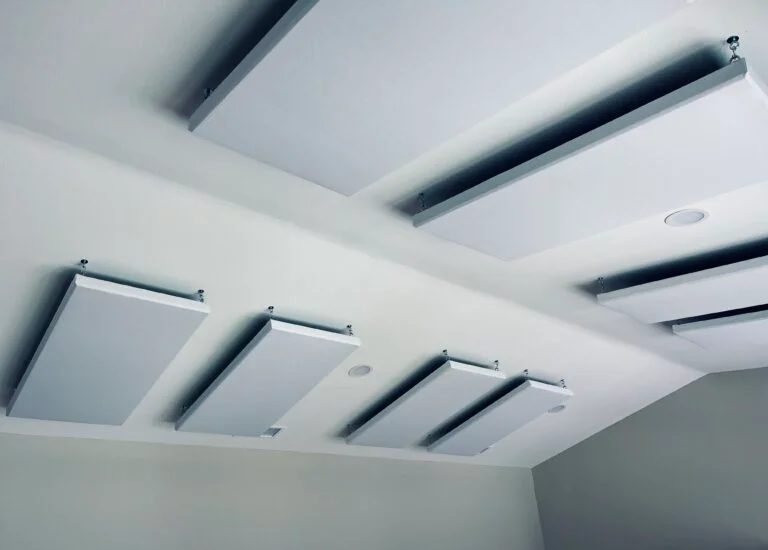
Acoustic wall panels are specially designed materials that absorb sound waves and improve room acoustics. These panels are often made with dense sound-absorbing cores wrapped in decorative fabric or wood finishes. They are commonly installed in offices, recording studios, restaurants, conference rooms, home theaters, and modern residential spaces.
One major advantage of acoustic wall panels is their ability to balance functionality with aesthetics. Unlike basic foam sheets, acoustic panels can complement interior design while improving sound quality.
Benefits of Acoustic Wall Panels
- Reduce echo and reverberation effectively
- Improve speech clarity in offices and meeting rooms
- Enhance music and audio quality in studios
- Provide a professional and modern appearance
- Offer better durability than standard foam products
- Available in decorative styles and custom finishes
When discussing acoustic panels vs foam panels’ effectiveness and noise reduction, acoustic wall panels consistently perform better in professional and residential environments because they are engineered for broader acoustic control.
What are foam panels?
Foam panel products are lightweight foam materials designed primarily to absorb high-frequency reflections. These are commonly seen in music recording setups, gaming rooms, and DIY acoustic projects.
Foam panels are popular because they are affordable and easy to install. However, many people assume they completely block noise, which is rarely the case. Most foam products only reduce echo inside the room and do very little to stop sound from passing through walls.
This misunderstanding often leads to frustration for people expecting complete noise isolation.
Advantages of Foam Products
- Budget-friendly option for small spaces
- Lightweight and easy to install
- Helpful for reducing minor echo
- Popular for temporary setups
While foam can improve room acoustics slightly, the comparison of acoustic panels vs foam panels’ effectiveness in noise reduction shows that foam products have limitations, especially when dealing with deeper frequencies or external noise.
Comparing Acoustic Panels vs Foam Panels’ Effectiveness in Noise Reduction
The biggest question most people ask is simple: which option actually reduces noise better?
The answer depends on your goal.
1. Echo Reduction Performance
If your primary issue is echo inside a room, both products can help. However, acoustic panels absorb a wider range of sound frequencies compared to foam. This creates a more balanced and natural sound environment.
Foam mainly targets higher frequencies, which means lower sounds may still bounce around the room.
2. Noise Blocking Capability
Neither acoustic panels nor foam alone can completely soundproof a room. True soundproofing requires structural solutions like insulation, mass-loaded vinyl, or double-wall construction.
However, dense acoustic panels can reduce sound transmission more effectively than thin foam materials. In the debate over acoustic panels vs foam panels effectiveness, noise reduction, acoustic panels offer better overall performance for controlling noise levels.
3. Aesthetic Appeal
Acoustic wall panels clearly outperform foam in visual appeal. Foam sheets often create an unfinished or studio-like appearance that may not suit homes or offices.
Modern acoustic panels are available in stylish textures, wood slats, geometric designs, and fabric finishes that blend naturally with interior décor.
4. Durability and Maintenance
Foam can deteriorate over time, especially in humid environments. It may discolor, crumble, or lose effectiveness after years of use.
Acoustic panels are generally more durable and easier to maintain, making them a long-term investment for both residential and commercial applications.
Which Option Works Best for Different Spaces?
Home Offices
For remote work and virtual meetings, acoustic wall panels are often the better choice. They reduce echo, improve speech clarity, and create a cleaner professional environment.
Recording Studios
Studios benefit from combining acoustic panels with bass traps and selective foam placement. Professional setups rarely rely on foam alone.
Restaurants and Commercial Spaces
Acoustic panels are highly effective in controlling noisy environments where conversations become difficult due to excessive reverberation.
Home Theaters
If you want immersive sound quality, acoustic panels provide richer acoustic balance and better control over reflections.
Why Many People Choose Acoustic Panels Over Foam
One common mistake people make is assuming cheaper foam products will solve every noise issue. In reality, foam works best as a basic acoustic treatment rather than a complete noise reduction solution.
When evaluating acoustic panels vs foam panels’ effectiveness in noise reduction, acoustic panels deliver stronger performance because they address both acoustic comfort and design needs. They are more versatile, visually appealing, and effective across multiple sound frequencies.
Another important factor is long-term value. While foam may cost less initially, acoustic panels often provide better durability and a more professional result, making them worth the investment.
Final Thoughts
Choosing between acoustic wall panels and foam panels depends on your specific goals, budget, and space requirements. If you simply want to reduce minor echo in a small room, foam may offer a temporary and affordable solution. However, if you are looking for noticeable improvements in sound quality, speech clarity, and overall noise reduction, acoustic wall panels are the superior choice.
The discussion around acoustic panels vs foam panels’ effectiveness in noise reduction ultimately comes down to performance and practicality. Acoustic panels provide a more balanced acoustic experience, better aesthetics, and stronger long-term value compared to standard foam products.
For homeowners, businesses, studios, and modern commercial interiors, investing in quality acoustic wall panels can transform noisy spaces into comfortable and productive environments.