
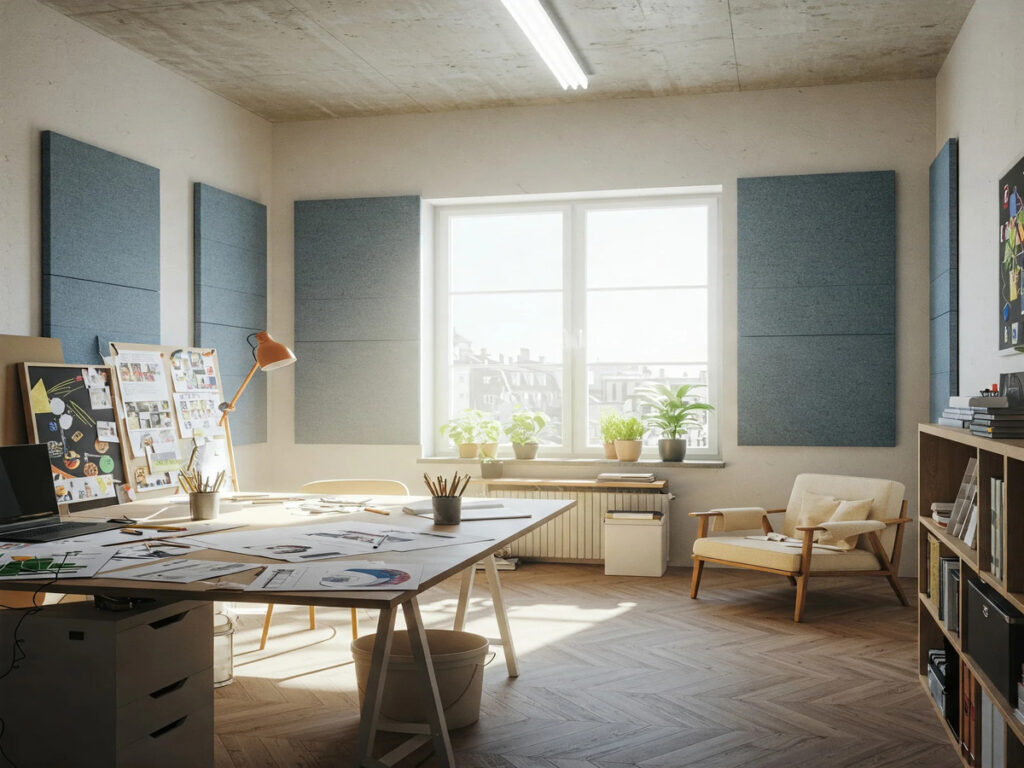
Noise has a way of creeping into everyday life. Whether it is traffic outside your office window, echoes bouncing around a conference room, or loud conversations traveling through shared walls, unwanted sound can quickly become distracting and exhausting. That is why more homeowners, business owners, musicians, and remote workers are turning to acoustic solutions to improve their spaces. One of the most common questions people ask is, “How much do acoustic panels reduce noise?”
The answer depends on the type of noise, the room layout, and the quality of the panels being used. Acoustic panels can dramatically improve sound clarity and reduce echo, but understanding what they actually do helps set realistic expectations. In this guide, we will break down how acoustic wall panels work, how much noise they can reduce, and why they are one of the most effective upgrades for better sound control indoors.
Understanding How Acoustic Panels Work
Before discussing how much acoustic panels reduce noise, it is important to understand their purpose. Acoustic wall panels are designed to absorb sound waves rather than block them completely. When sound hits a hard surface like drywall, glass, or concrete, it reflects back into the room and creates echoes or reverberation. Acoustic panels capture those sound waves and reduce the reflections.
This makes rooms feel quieter, clearer, and more comfortable. While they are not the same as full soundproofing systems, they can significantly improve the acoustic environment in both residential and commercial spaces.
How Much Do Acoustic Panels Reduce Noise?
In most indoor spaces, acoustic wall panels can reduce echo and reverberation by up to 70%, depending on the placement, thickness, and material used. This reduction creates a noticeable difference in how a room sounds and feels.
For example:
- In offices, acoustic panels help reduce distracting conversations and improve focus.
- In home theaters, they make dialogue clearer and reduce sound bouncing.
- In music studios, they improve recording quality by controlling reflections.
- In restaurants, they lower the background noise and create a more pleasant dining atmosphere.
The biggest improvement usually comes from reducing reflected sound rather than stopping noise from entering the room. Many people expect complete silence, but acoustic wall panels are more about sound absorption and clarity than total sound blocking.
Factors That Affect Noise Reduction
The amount of noise reduction you get from acoustic wall panels depends on several factors.
Panel Thickness
Thicker panels absorb more sound, especially lower frequencies. Panels that are 2 inches thick or more tend to perform better in larger spaces or rooms with deep echoes.
Material Quality
High-density acoustic materials absorb sound more effectively than cheaper foam alternatives. Professionally made acoustic wall panels often use specialized cores designed for maximum performance.
Room Size and Shape
Large rooms with hard surfaces usually produce more echo. Adding acoustic panels strategically throughout the room can make a dramatic improvement.
Placement
Where the panels are installed matters just as much as the panels themselves. Placing acoustic wall panels near reflection points, ceilings, and shared walls increases effectiveness.
Noise Type
Acoustic panels work best on airborne sound reflections such as voices, television audio, and music. They are less effective against structural vibration or impact noise like footsteps.
Acoustic Panels vs Soundproofing
A common misunderstanding is that acoustic wall panels completely soundproof a room. In reality, there is a difference between sound absorption and soundproofing.
Acoustic panels absorb sound within a room to reduce echo and improve clarity. Soundproofing, on the other hand, prevents sound from traveling between spaces using insulation, mass-loaded barriers, and structural modifications.
That said, acoustic wall panels still contribute to a quieter environment. By reducing reflected sound, rooms feel calmer and less noisy overall. In many offices and homes, this improvement is more than enough to create a comfortable atmosphere.
Best Places to Use Acoustic Wall Panels
Acoustic wall panels are versatile and can be installed in many different settings.
Home Offices
Remote work has increased the demand for quieter workspaces. Acoustic panels reduce distractions during meetings and improve speech clarity during video calls.
Recording Studios
Professional studios rely heavily on acoustic treatment. Properly placed acoustic wall panels help musicians and producers capture cleaner sound recordings.
Restaurants and Cafes
Busy dining spaces often suffer from excessive background noise. Acoustic panels help control sound levels and create a more enjoyable customer experience.
Conference Rooms
Meetings become more productive when people can hear clearly without echoes or overlapping conversations.
Home Theaters
Acoustic wall panels improve movie sound quality by reducing unwanted reflections and enhancing audio detail.
Do acoustic panels really make a noticeable difference?
Yes, they absolutely do. Many people notice an improvement immediately after installing acoustic wall panels. Rooms sound less harsh, conversations become easier to understand, and overall noise feels more controlled.
One unique insight many first-time buyers overlook is that sound comfort affects stress levels. A noisy room can quietly increase mental fatigue throughout the day. Reducing echo and improving acoustics often makes a room feel more relaxing, even if people cannot immediately explain why.
That is why acoustic wall panels are increasingly being used not only for performance spaces but also for wellness-focused interiors, modern offices, and luxury homes.
Choosing the Right Acoustic Panels
Not all acoustic panels are created equal. When selecting acoustic wall panels, look for products that balance performance, durability, and visual appeal. The right panels should complement your interior while effectively managing sound.
At SoundHaven Acoustics, high-quality acoustic wall panels are designed to combine functionality with modern aesthetics. Choosing professionally crafted panels ensures long-term performance and a cleaner, more polished finish for your space.
Final Thoughts
So, how much do acoustic panels reduce noise? While the exact results depend on the room and installation, acoustic wall panels can significantly reduce echo, improve sound clarity, and create a noticeably quieter environment. In many cases, they reduce reflected noise by up to 70%, transforming uncomfortable spaces into calm, productive, and enjoyable areas.
Whether you are designing a home office, upgrading a recording studio, or improving a commercial environment, acoustic wall panels are one of the smartest investments for better sound control. The key is understanding their role: they may not create total silence, but they dramatically improve the way sound behaves inside a room.
With the right placement and quality materials, acoustic panels can completely change how a space feels—making it quieter, more focused, and far more comfortable every day.